This is the question every homeowner eventually faces, and it is the one most likely to get a dishonest answer. A contractor who only wants the big ticket will tell you to replace a roof that has ten good years left. A handyman who only does patches will keep repairing a roof that should have been torn off two leaks ago. The right answer lives in the middle, and it depends on your specific roof. Here is the honest framework we use when we walk a North Georgia roof and give a homeowner a straight recommendation.
Start with age, because it frames everything
The single most important number is how old your roof is relative to what it was designed to last. A standard three-tab asphalt roof in our climate typically lasts 15 to 20 years. Architectural, or dimensional, shingles usually run 25 to 30 years. Metal lasts far longer. Our brutal North Georgia summers, with intense UV and heat cycling on south-facing slopes, tend to push shingle roofs toward the shorter end of those ranges.
Age matters because it changes the math on every other decision. A leak on a 6-year-old roof is almost always a repair. The same leak on a 22-year-old three-tab roof is often the first domino of a roof that is simply worn out. When a roof is within a few years of its expected lifespan, spending money on repairs is usually pouring cash into an asset that is about to fail somewhere else anyway.
When a repair is the smart, honest choice
Plenty of roofs should be repaired, not replaced, and any roofer who cannot say that is not being straight with you. A targeted roof repair is the right call when:
- The roof is well within its expected lifespan, generally under 12 to 15 years for shingles
- The damage is localized, such as a section of shingles blown off by wind or a single cracked pipe boot
- The problem is a specific failed component like flashing around a chimney or skylight rather than the field of the roof
- The decking underneath is still sound and dry
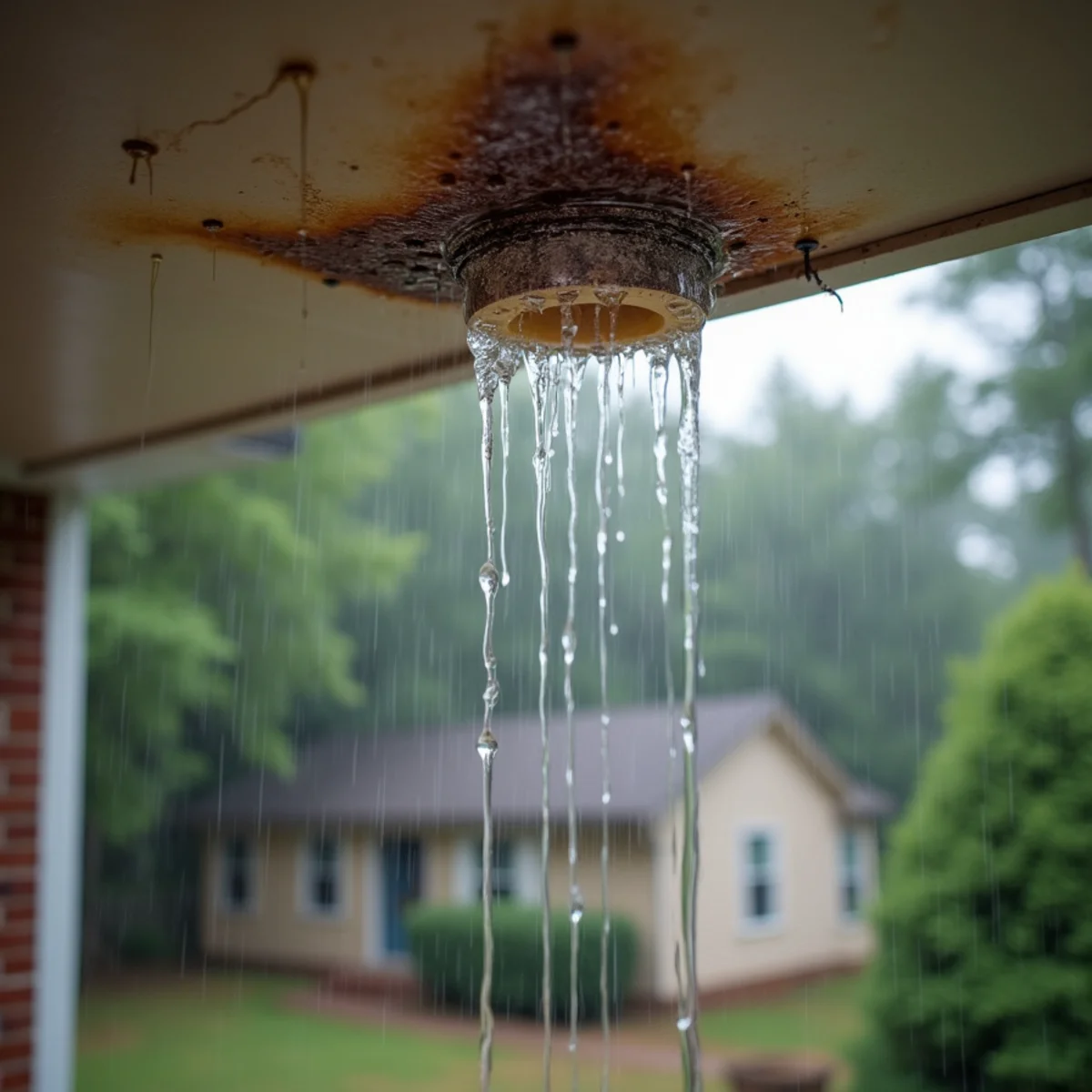
A lot of leaks that homeowners fear mean "new roof" are actually a failed flashing detail or a cracked rubber pipe boot, both of which are straightforward, affordable fixes. There is no honor in replacing a roof that needs a hundred-dollar boot.
The signs a roof has genuinely reached end-of-life
Some conditions point clearly toward replacement. Not because a salesperson says so, but because the roof's ability to shed water has failed across the whole surface. Watch for these.
Widespread granule loss
If your gutters are consistently full of granules and your shingles look bald, patchy, and darker in spots, the asphalt is exposed to UV across the whole roof. That is the roof aging out everywhere at once, and no repair addresses it.
Curling, cupping, and clawing shingles
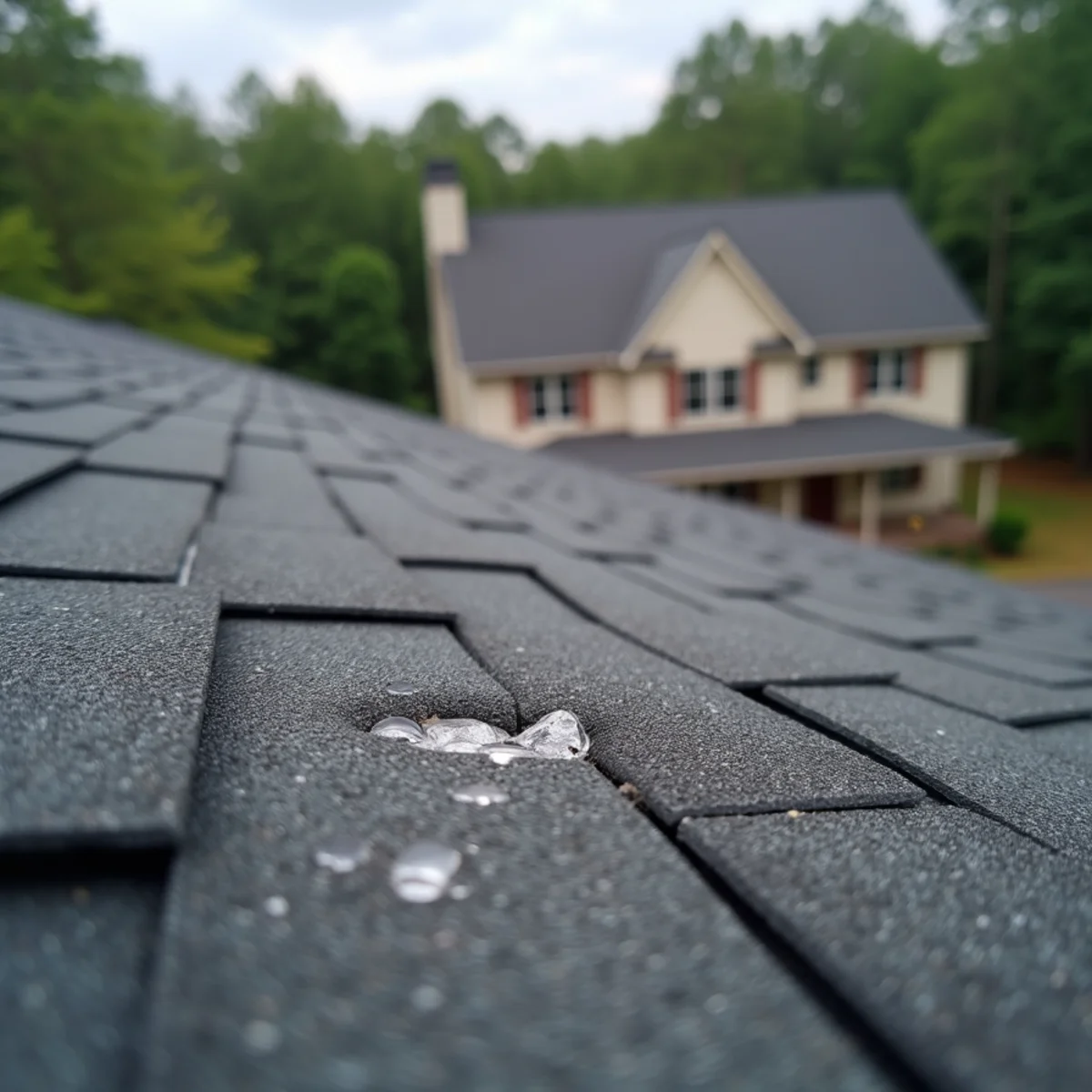
When shingle edges curl up or the centers cup, the shingle has dried out and lost its flexibility. A few curled shingles can be replaced. A roof-wide pattern of curling means the material has reached the end of its service life.
Cracked and brittle shingles
Old asphalt gets brittle. If shingles crack when walked on or shed pieces in a storm, spot repairs will not keep up. You will be back on the roof after every wind event.
Sagging or soft decking
A roofline that dips or feels spongy underfoot points to moisture in the decking or structure below. This goes beyond shingles and is a clear signal for a full tear-off and inspection of what is underneath.
Daylight in the attic
If you can see daylight through the roof boards from inside your attic, or you find widespread water staining across the decking, the roof is no longer keeping the outside out.
The "keep repairing" trap
Here is a pattern we see constantly. A homeowner pays for a repair. Six months later, a different spot leaks. Another repair. The next storm, another leak. Each fix feels reasonable on its own, but added together they cost more than a replacement would have, and the homeowner still has an old roof. When you find yourself repairing the same roof two or three times in a couple of years, the roof is telling you it is done. At that point, the repairs are just an installment plan for a replacement you will buy anyway, minus the warranty and the peace of mind.
The tradeoffs, stated honestly
Neither choice is free of downsides, and you deserve to hear both.
Repair costs far less up front and makes complete sense on a roof with real life left. The tradeoff is that a new patch on an old, weathered roof rarely matches the faded shingles around it, and you are not resetting the clock. You are buying time on a roof that will still need replacing on its own schedule.
Replacement costs more up front but resets everything: new materials, a fresh manufacturer warranty, and a workmanship warranty on the installation. On an asphalt shingle roof, a full roof replacement also lets us inspect and repair the decking, upgrade underlayment and ventilation, and correct any flashing that was done poorly the first time. The tradeoff is simply the larger investment.
What actually drives the cost
We never quote a guaranteed price sight unseen, because honest pricing depends on your roof. The factors that move the number include the size and pitch of the roof, the material you choose, how many old layers have to be torn off, the condition of the decking underneath, and the complexity of details like valleys, chimneys, and skylights. A steep, cut-up roof with three layers to remove is a very different job from a simple single-layer ranch.
Get an honest assessment first
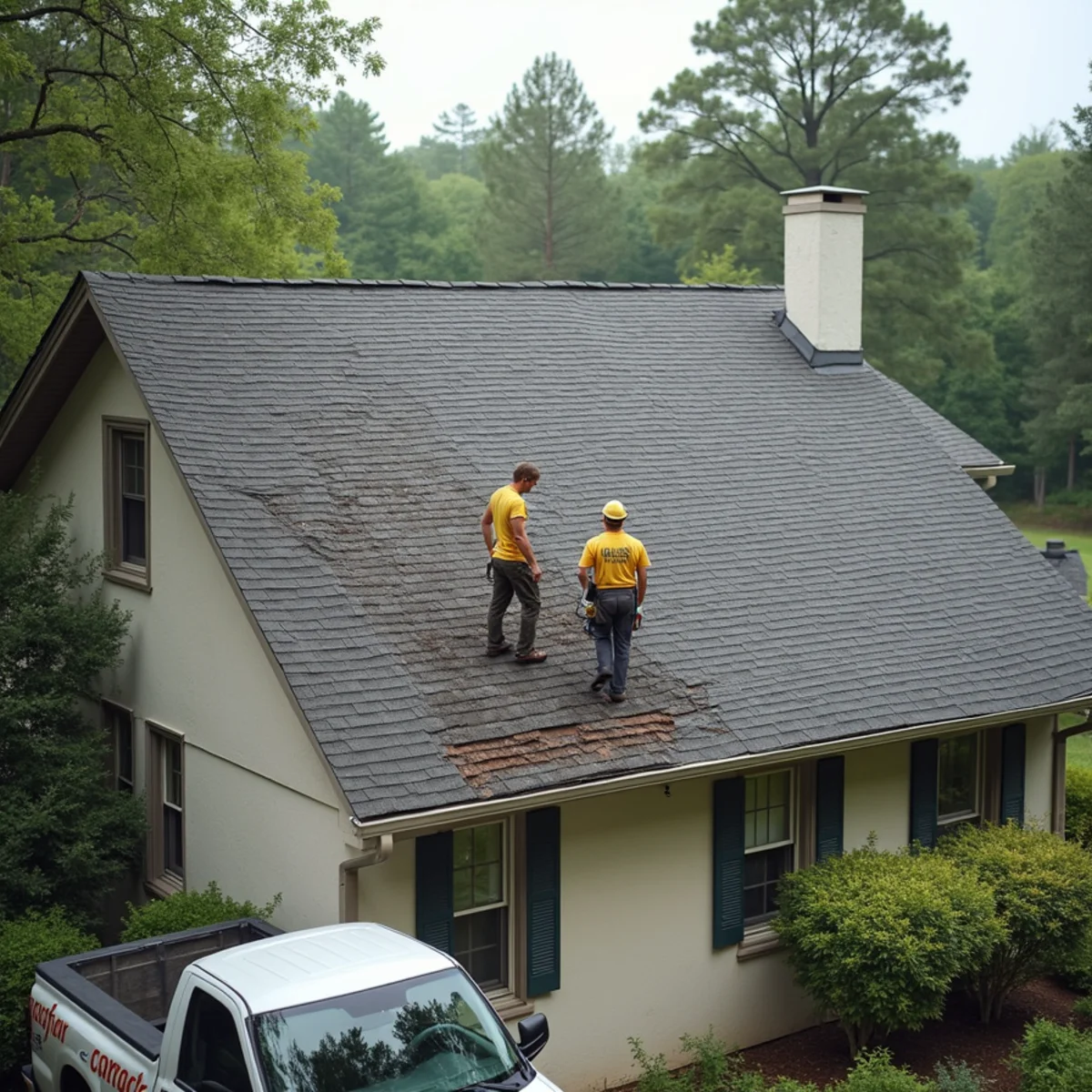
You cannot make this call from the driveway, and you should be wary of anyone who tries to. Our free 21-point roof inspection gives you a documented, honest read on where your roof actually stands, with photos, so the repair-or-replace decision is based on evidence instead of a sales pitch. We will tell you when a repair is the smart money, and we will tell you just as plainly when it is time.
Serving Cartersville and the North Georgia foothills
From Cartersville up to Canton and across the foothills, we see how our specific climate ages roofs, the UV, the heat cycling, and the pounding of Dixie Alley storms. That local experience is what lets us tell the difference between a roof with life left and one that is finished.
Not sure whether to repair or replace? Get a straight answer before you spend a dollar. Call Eagles Roofing and Reconstruction at (855) 705-1940 to schedule your free inspection in Cartersville and across North Georgia. We will give you an honest recommendation and the photos to back it up, whichever way it points.
The Hidden Costs of Repeated Repairs and the Resale Math
Homeowners tend to judge repair versus replacement on the single invoice in front of them, but the honest math is cumulative. Once a roof is past roughly 75 percent of its rated life, each repair tends to be followed by another within a year or two, because the failures are no longer isolated defects but symptoms of an assembly wearing out all at once. Chasing those leaks one at a time, paying a service-call minimum and a crew's time each visit, routinely adds up to more than a replacement would have cost, and you still own an old roof. There's also a matching problem few expect: shingles weather and fade, and manufacturers discontinue color lines, so a patch on a ten-year-old roof almost never blends. You're left with a visible mismatch that reads as a patched roof to every buyer who sees it.
That visibility is where the resale and appraisal angle turns decisive. A roof near end-of-life is one of the first things a home inspector flags, and it becomes a negotiating lever that can cost you far more at the closing table than the repair ever did, often with a buyer demanding a full replacement credit. Appraisers note remaining roof life, and a tired roof can cap a valuation or complicate financing when a lender's inspection calls it out. A new roof rarely returns its full cost as a line-item on resale, but it removes an objection, preserves the deal, and protects everything under it. If you're weighing a third repair against replacement, call (855) 705-1940 for a straight assessment of where your roof actually stands in its life cycle.
Key Takeaways
- Past about 75% of its rated life, a roof's repairs tend to cascade — repeated service calls often outrun the cost of replacing it.
- Faded and discontinued shingles rarely match on an aged roof, leaving a visible patch that buyers notice.
- A worn roof is a prime inspection flag and negotiating lever that can cost more at closing than a replacement would have.
- Appraisers weigh remaining roof life, and a tired roof can cap valuation or complicate a buyer's financing.
- For an honest read on where your roof sits in its life cycle, call (855) 705-1940 before authorizing another repair.
Frequently Asked Questions
How old does a roof need to be before I should replace instead of repair?
There is no single number, but as a rule, a shingle roof within a few years of its expected lifespan (15 to 20 years for three-tab, 25 to 30 for architectural in our climate) is usually a replacement candidate once problems appear. A younger roof with localized damage is almost always a repair.
Is it worth repairing a roof that keeps leaking in different spots?
Usually not. When multiple, separate leaks appear across a couple of years, the roof is aging out everywhere at once, and each repair is really an installment payment on a replacement you will end up buying anyway, without the warranty. That pattern is a strong signal it is time for a new roof.
Will you tell me honestly if I only need a repair?
Yes. Plenty of leaks are a simple failed flashing or a cracked pipe boot, and we will tell you so rather than push a replacement you do not need. Our free 21-point inspection gives you documented evidence, so the decision is based on the actual condition of your roof.
Have a Roofing Question of Your Own?
Eagles Roofing and Reconstruction offers free, no-obligation roof inspections across Cartersville and North Georgia. Get honest answers from a local roofer.