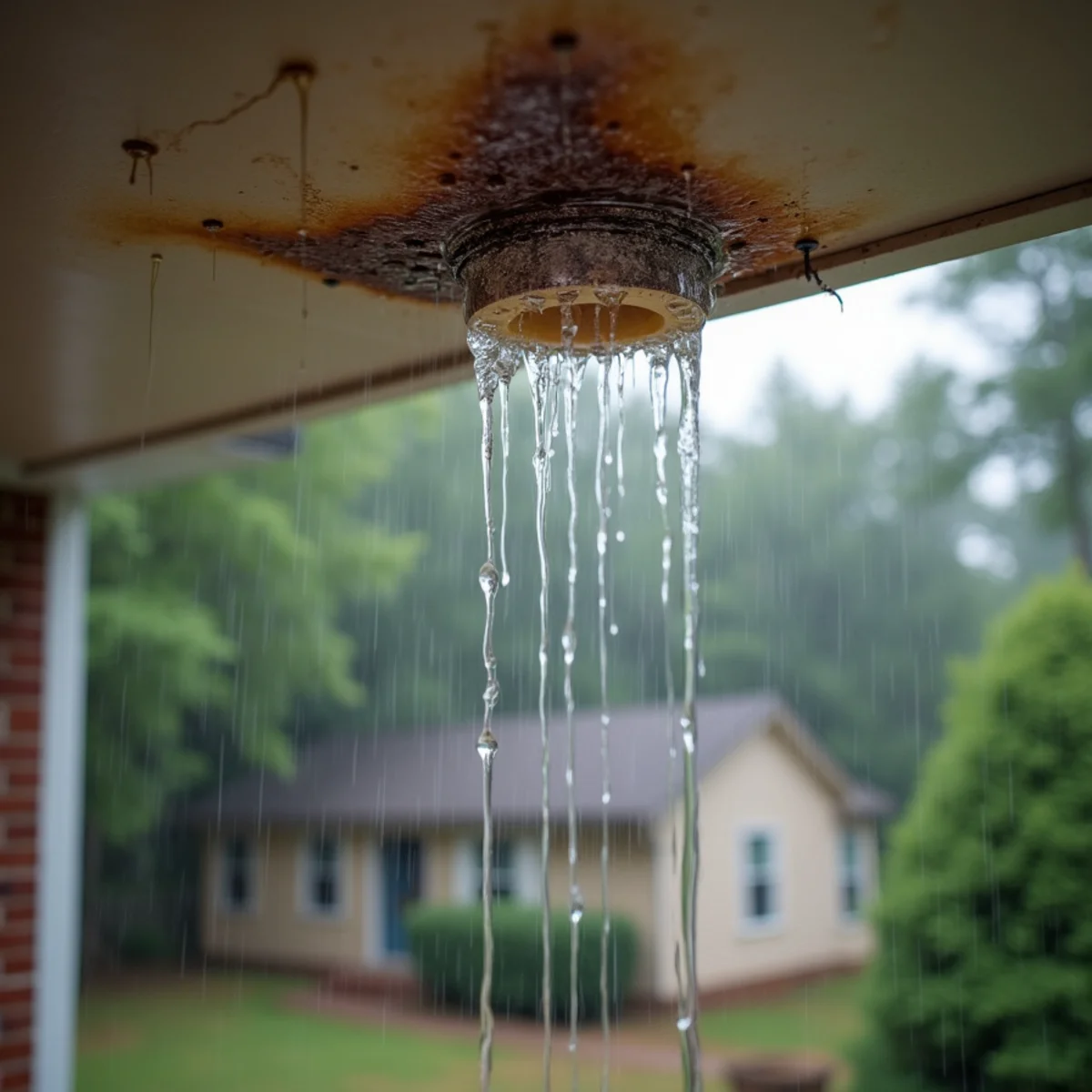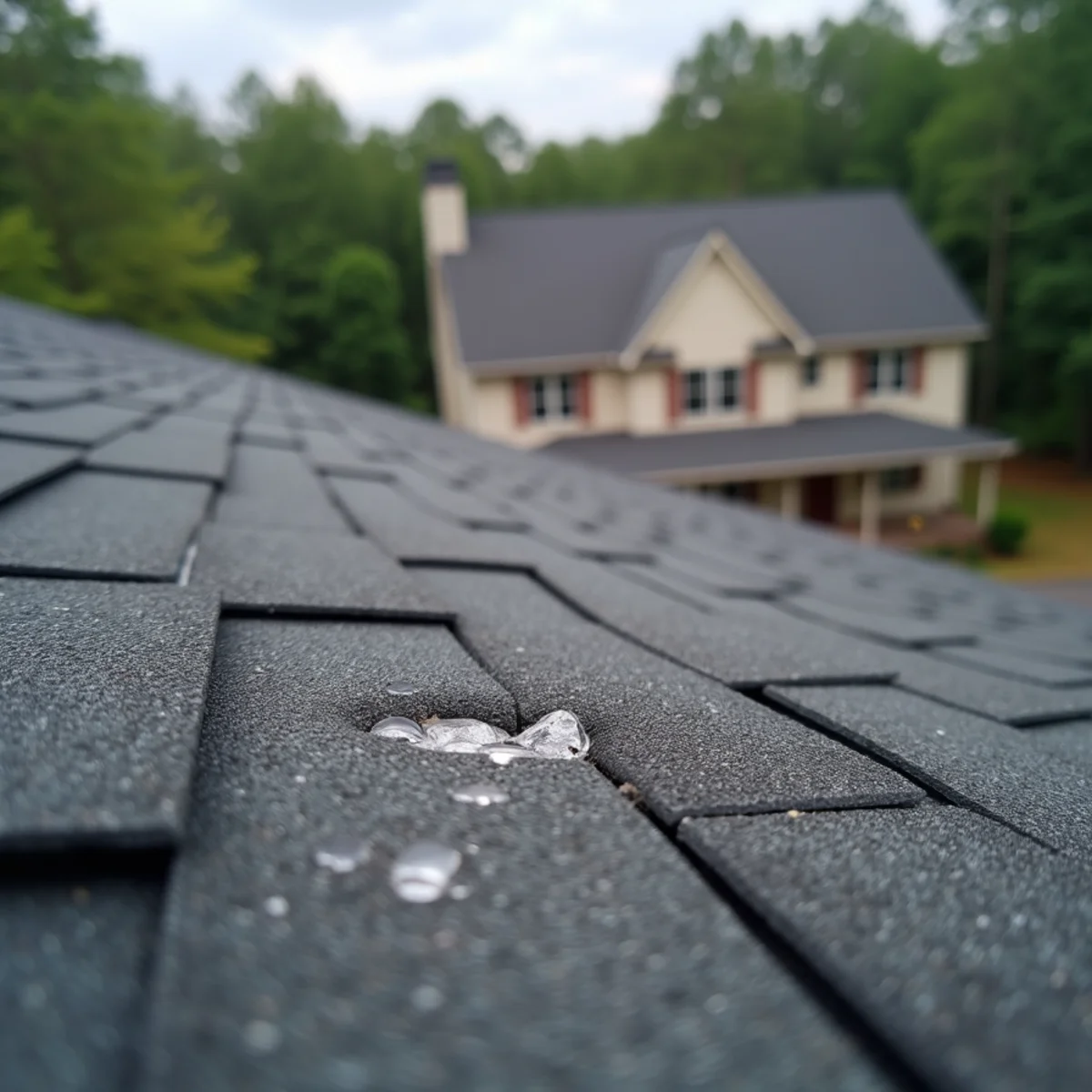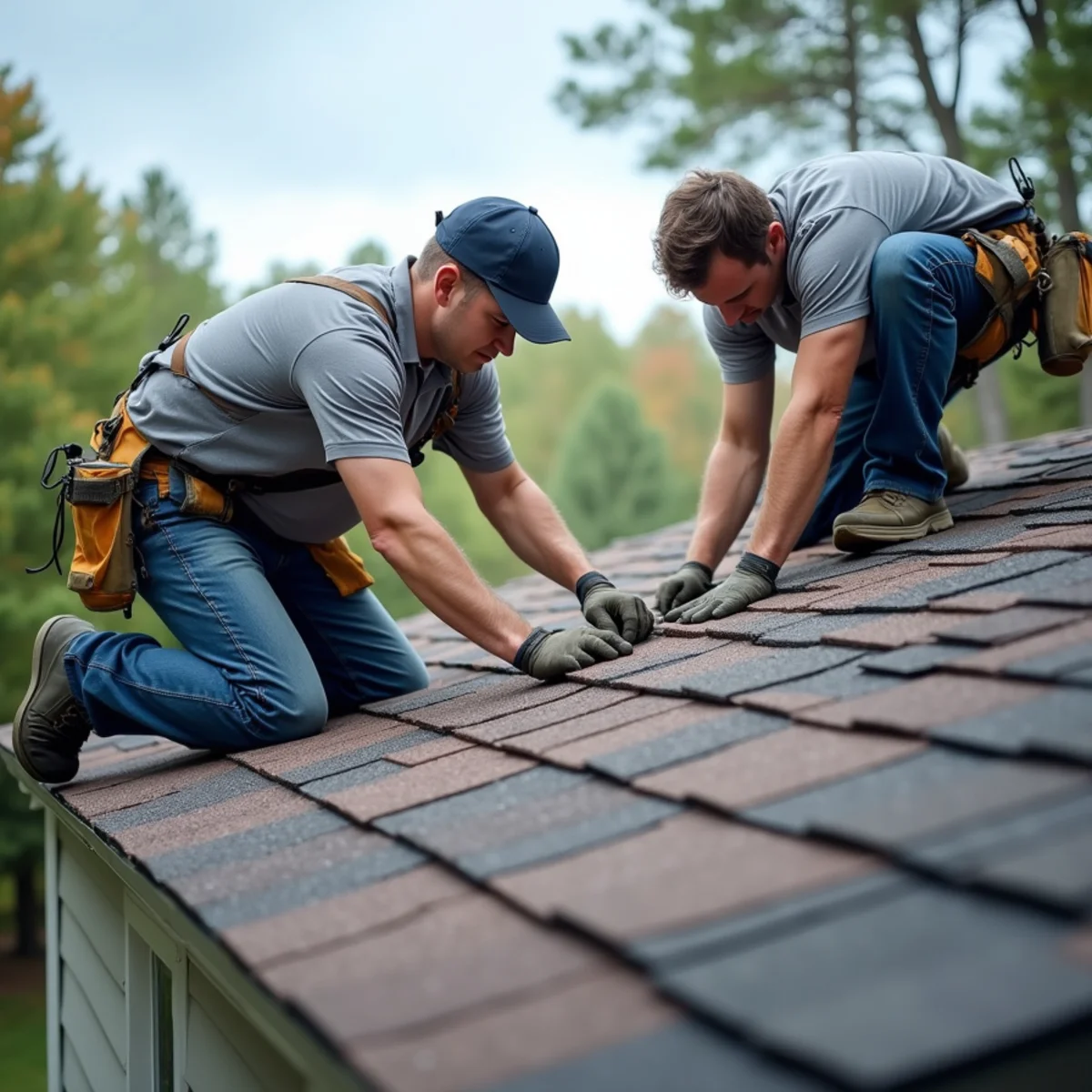
When a spring storm tears shingles off your roof or drops a limb through the decking, the damage you can see is only half the story. The real threat is what happens over the next several days while you wait for a permanent repair. A single opening in your roof can let hundreds of gallons of water into your home over a rainy week, and that water does not stay in the attic. It soaks insulation, ruins ceilings, warps hardwood, and quietly feeds mold inside your walls. Emergency tarping is the step that stops that clock.
What emergency tarping actually does
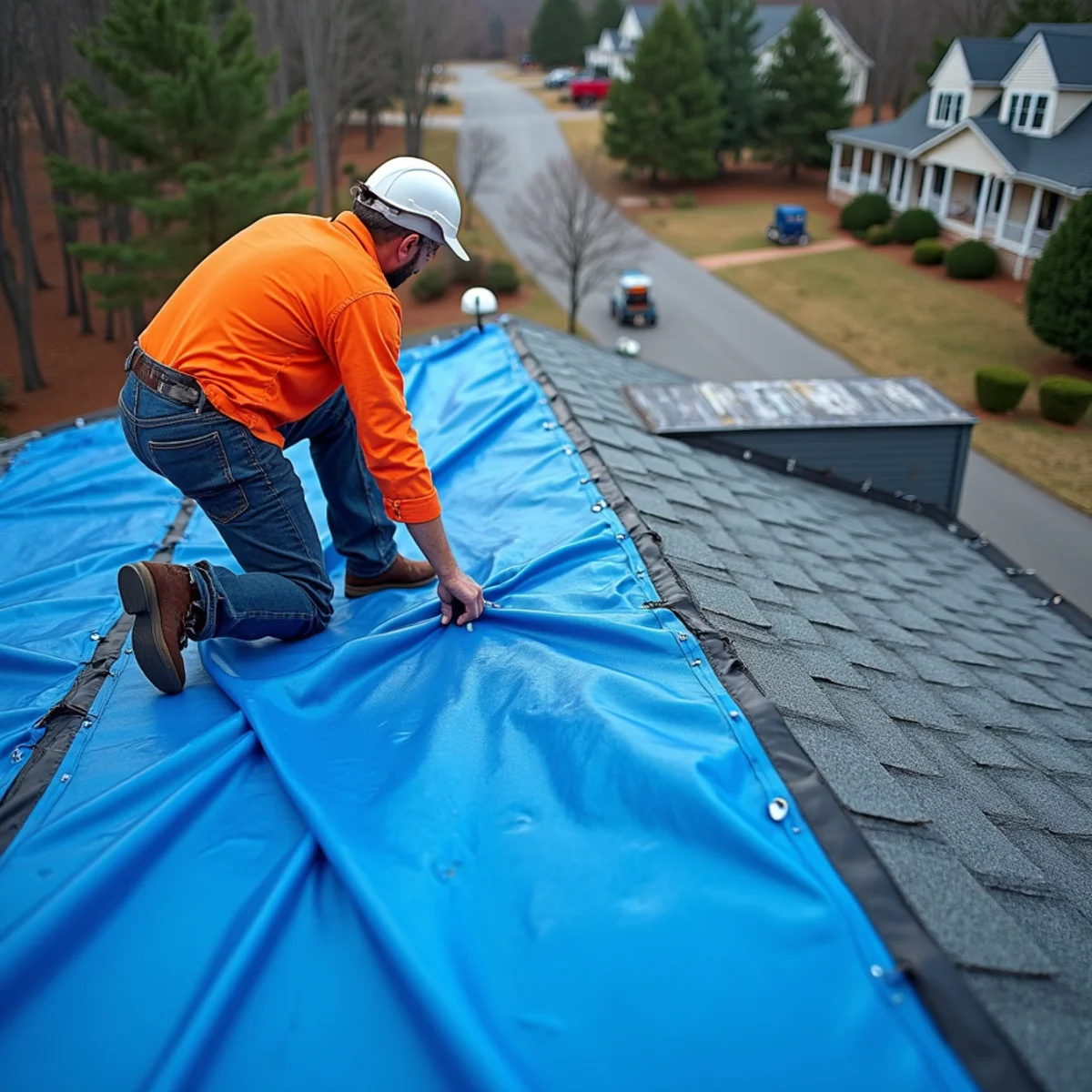
Tarping is a temporary but critical bridge between the moment your roof is compromised and the day a permanent repair or replacement is complete. A properly installed tarp keeps water out, protects the exposed decking, and preserves your home's interior while you handle inspections, insurance, and scheduling. Think of it as the tourniquet, not the surgery. It does not fix the roof, but it stops the bleeding.
Here in Cartersville and across North Georgia, where storm damage can back up repair schedules for weeks after a major hail or wind event, that bridge is not a luxury. It is the single most important thing standing between a manageable repair and a gut renovation.
Why a DIY tarp usually fails
Plenty of homeowners throw a poly tarp over a leak and weigh it down with bricks or a few nails through the middle. Within a day or two, that tarp is flapping in the wind, funneling water underneath, or torn loose entirely. There are specific reasons a hardware-store patch job rarely holds.
Water needs somewhere to go
A tarp laid flat over a hole becomes a swimming pool. Rainwater pools in the low spots, adds weight, and eventually finds the seams and fastener holes. A correctly installed tarp is run up and over the ridge line so water sheds off the peak and never has a chance to collect above the breach.
The edges have to be sealed and anchored
Wind gets under any loose edge and peels a tarp off in a single gust, and North Georgia's straight-line winds are more than capable. Professional installation anchors the tarp to the decking with furring strips, or "sandwich boards," that grip the material along its full edge rather than relying on a few nail heads that tear through.
Fasteners create new leaks
Every nail driven through the field of a tarp and into good roofing is a future leak. Proper technique concentrates fasteners along the anchored edges above the waterline and seals them, so the tarp protects the roof without adding new holes to a roof you will eventually repair anyway.
The real cost of waiting
We have seen the two versions of this story play out side by side on the same street after a storm. One homeowner gets a tarp on within hours; the other decides to wait for the roofer to just "do it all at once" the following week. When the next round of Dixie Alley storms rolls through, the tarped house has a stained corner of ceiling to touch up. The un-tarped house has:
- Saturated attic insulation that must be torn out and replaced
- Collapsed or bulging drywall across multiple rooms
- Mold colonies that started growing within 48 hours of the first intrusion
- Warped baseboards, cupped hardwood, and damaged personal belongings
The tarp costs a fraction of any one of those line items. It is genuinely the cheapest insurance in roofing.
Tarping and your insurance claim
Most homeowner policies require you to take "reasonable steps to prevent further damage" after a covered event. Translating that from insurance language: if you leave your roof open to the sky for a week and the interior damage triples, your carrier can deny the portion of the claim you could have prevented. A documented, professionally installed tarp does two things for your claim. It shows the adjuster you acted responsibly, and it stops the damage from growing while the claim is processed.
Our crews photograph the damage and the tarp installation, which becomes part of the documentation package we use when providing insurance claim assistance. That paper trail protects you.
How fast we respond in Cartersville
Speed is the whole point of tarping, so response time is everything. Because Eagles Roofing is based right here in Cartersville, our crews are not driving in from three states away chasing storms. When wind and hail move across Bartow County, we are already here. We also cover neighboring communities like Acworth around Lake Allatoona, where lakeside tree cover means falling limbs are a constant threat during severe weather. If you have an active leak right now, start with our companion guide on what to do the moment your roof springs a leak.
What happens after the tarp
A tarp is a stabilizer, not a solution. Once your home is protected, our team inspects the full extent of the damage, prepares an accurate scope, and moves into permanent repair or replacement. Because the interior stayed dry under the tarp, that permanent work is usually limited to the roof itself instead of ballooning into drywall, flooring, and mold remediation.
Storm just hit your roof? Do not let it sit open to the next round of rain. Call Eagles Roofing and Reconstruction at (855) 705-1940 for fast, professional emergency tarping in Cartersville and across North Georgia. We will secure your home first and sort out the permanent repair second, exactly the order that saves you the most money.
How Long a Tarp Really Lasts and What Your Insurer Expects
A properly installed emergency tarp is a bridge, not a destination. A quality woven poly tarp, wrapped over a 2x4 anchor board at the ridge and screwed down along the edges so it sheds water instead of ponding it, reliably buys you 30 to 90 days in North Georgia weather. Push it past that and UV exposure, wind flutter, and heat cycling break down the poly and loosen fasteners, and a failing tarp can do more damage than the original opening by trapping moisture against your decking. We install tarps to drain, never to pool, because a sagging pocket of water is heavier and more destructive than most homeowners expect. If a repair timeline stretches out, shrink-wrap is the better tool.
Insurers reward fast, documented mitigation, and they can penalize neglect. Your policy almost certainly carries a duty to mitigate, meaning you're expected to take reasonable steps to prevent further damage after a loss. What an adjuster wants to see is dated photos of the original damage, the tarp installed, and an itemized invoice for the mitigation work, which is a reimbursable expense separate from the permanent repair. Shrink-wrap differs from a tarp in that it's heat-shrunk tight to the roof for a gap-free, longer-lasting seal that handles complex rooflines and extended timelines far better, though it costs more and takes longer to apply. For larger losses or a slow rebuild, it's often the smarter spend. Call us at (855) 705-1940 and we'll document everything your carrier needs from day one.
Key Takeaways
- A quality tarp, installed to drain rather than pool, typically lasts 30 to 90 days — not a full season.
- A sagging, water-filled tarp can cause more harm than the original opening by trapping moisture on the decking.
- Most policies require you to mitigate damage; dated before/during/after photos and an itemized invoice protect your claim.
- Shrink-wrap seals tighter and lasts longer than a tarp — the better choice for complex roofs or extended repair timelines.
- Mitigation costs are usually reimbursable separately from the permanent repair, so keep every receipt.
Frequently Asked Questions
How long can an emergency tarp stay on my roof?
A professionally installed tarp can reliably protect a home for several weeks, which is usually enough time to complete inspections, file an insurance claim, and schedule permanent repairs. A DIY tarp, by contrast, often fails within a day or two under North Georgia wind and rain.
Will my insurance cover emergency roof tarping?
In most cases, yes. Policies generally require you to take reasonable steps to prevent further damage after a covered event, and tarping is exactly that step. We document the damage and the installation so the cost is part of your claim package.
Do you offer tarping outside of Cartersville?
Yes. We cover Bartow County and the greater Atlanta metro and North Georgia region, including nearby communities like Acworth, Kennesaw, and Emerson. Call (855) 705-1940 and we will get a crew moving toward you.
Have a Roofing Question of Your Own?
Eagles Roofing and Reconstruction offers free, no-obligation roof inspections across Cartersville and North Georgia. Get honest answers from a local roofer.