North Georgia sits squarely in what meteorologists call "Dixie Alley," and every spring and summer our part of the state takes a beating from severe storms, hail, and straight-line wind. When a storm chews up your roof, filing an insurance claim can feel overwhelming, especially with your gutters full of shingle granules and a stranger already knocking on your door offering to "handle everything." This guide walks you through the claim process the honest way, and just as important, it tells you which promises should send you running.
First, an Honest Word About "Winning" a Claim
Let us be straight with you, because you will not hear this from a storm-chaser working out of a rental truck. No roofing contractor can guarantee your insurance claim will be approved. Anyone who promises approval before an adjuster has even seen your roof is telling you what you want to hear, not the truth. Coverage is decided by your insurance company based on your policy and the documented damage, full stop.
What a good contractor can do is make sure the damage is properly identified, thoroughly documented, and clearly communicated, so your claim is evaluated on the strongest possible evidence. That is a meaningful advantage, and it is an honest one.
Step 1: Safety and Immediate Damage Control
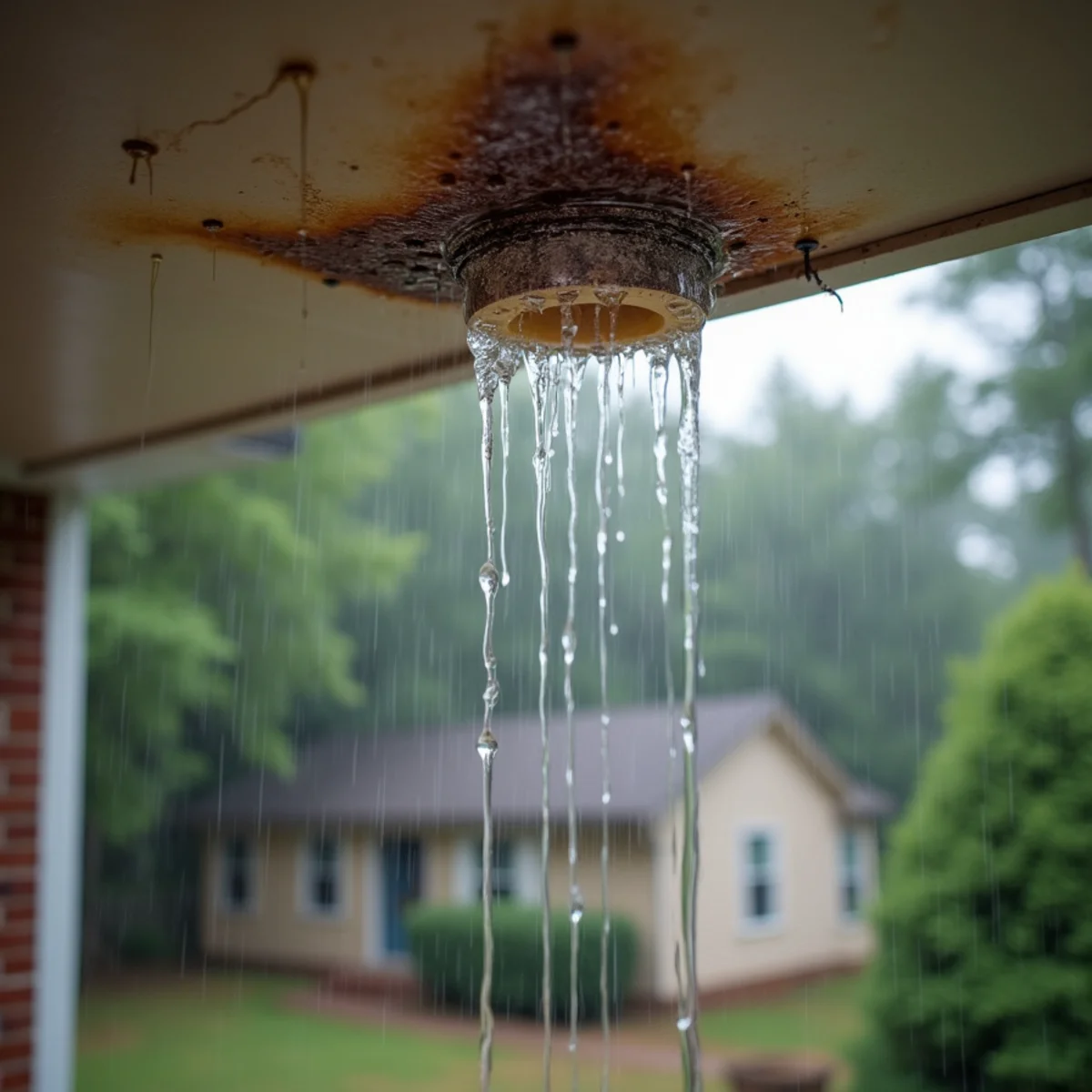
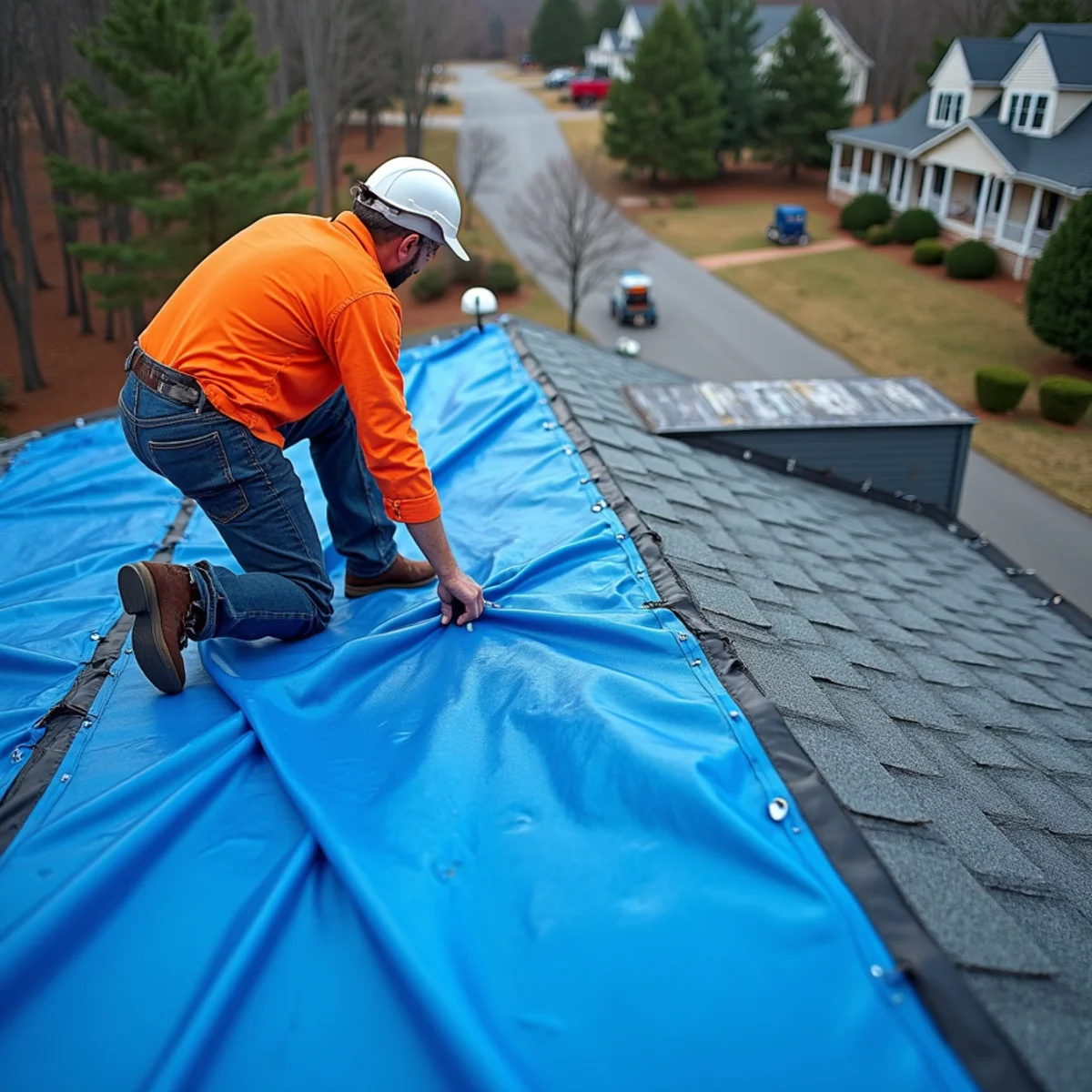
Before anything else, make sure your family is safe. If you have an active leak or exposed decking, temporary protection prevents the interior damage from getting worse while you start the claim. Our storm damage roof repair team can secure a compromised roof quickly, and reasonable emergency measures to prevent further damage are typically supported by your policy. Keep receipts for anything you spend.
Step 2: Document Everything Before You File
Documentation is the backbone of any claim. Take dated photos of the exterior, any interior water stains, and fallen debris. Note the date and time of the storm. A professional inspection at this stage is invaluable, because a trained eye catches hail bruising and wind creasing that an untrained homeowner will walk right past. Our free 21-point roof inspection produces a clear record of what the storm actually did.
What Hail and Wind Damage Really Look Like
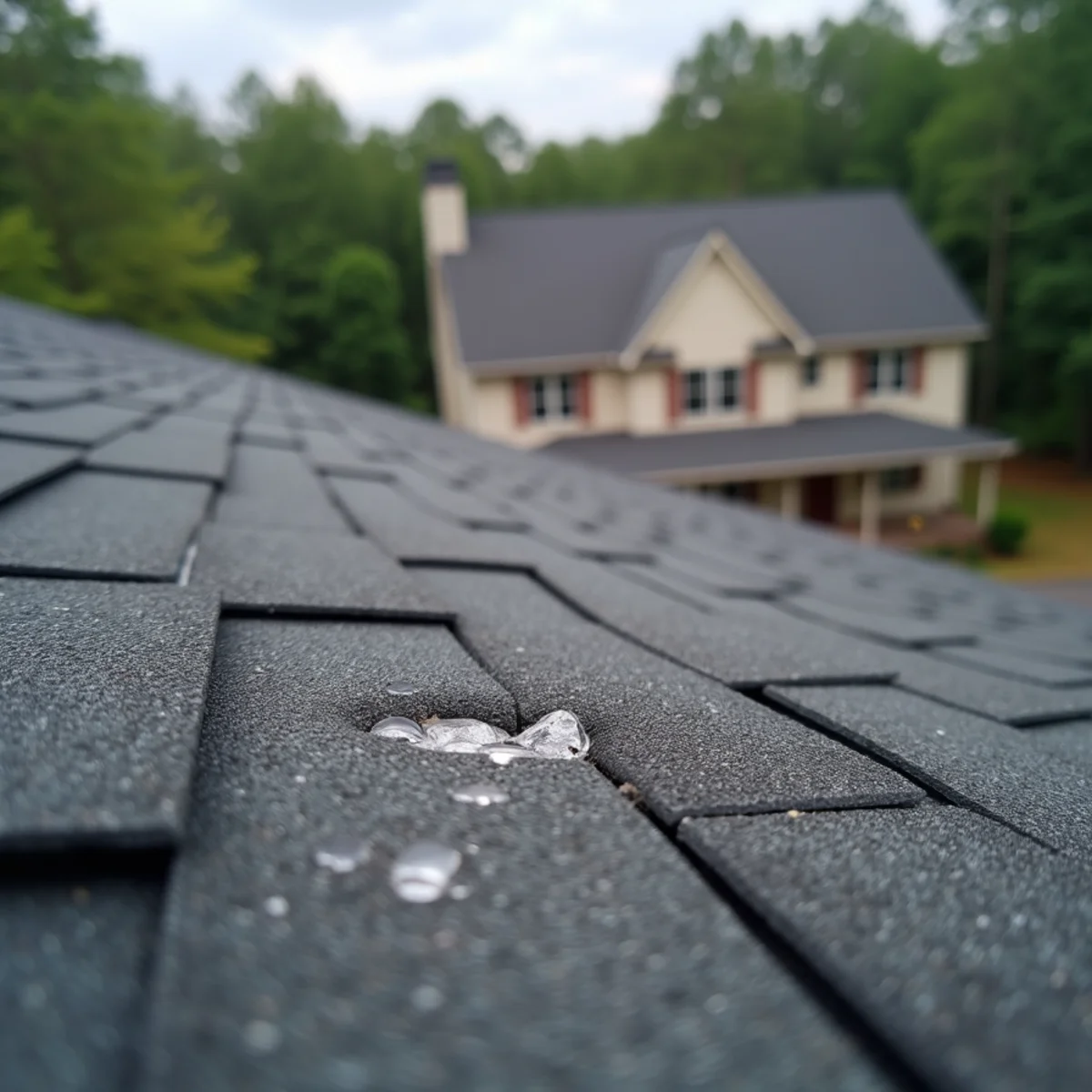
Hail leaves soft, round bruises where the granules are knocked off and the mat underneath is exposed. These spots feel spongy, like a fresh bruise on fruit. Wind damage shows up as creased, lifted, or missing shingles, and it often breaks the adhesive seal so shingles flap and leak even if they have not blown off entirely. Both types of damage shorten your roof's life and both are typically covered events.
Step 3: File Your Claim With Your Insurer
Contact your insurance company directly to open the claim. You know your policy and your deductible; you are the policyholder, and the claim is yours to file. Provide your documentation, the date of the storm, and a description of the damage. Your insurer will assign an adjuster to inspect the roof.
Step 4: Be Present for the Adjuster's Inspection
When the adjuster comes out, it helps enormously to have your roofing contractor there at the same time. Adjusters inspect a great many roofs and are human; damage can be missed, especially subtle hail bruising. Having a knowledgeable roofer on the roof to point out and agree on the damage keeps everyone on the same page and reduces back-and-forth. We are glad to meet your adjuster and walk the roof together.
Step 5: Understand the Scope and the Numbers
If your claim is approved, your insurer issues a scope of work and a payment based on the replacement cost minus your deductible, often released in stages. Review the scope carefully. If the adjuster's scope missed items that are clearly damaged or code-required, a reputable contractor can submit a supplement with documentation. This is normal and legitimate, and it is very different from inflating a claim.
The Red Flags: Contractors Who Break the Law and the Rules
Storm season brings out bad actors, so guard yourself. Walk away from any contractor who:
- Guarantees your claim will be approved. No one can promise that. It is a sales tactic, not a fact.
- Offers to "waive," "eat," "absorb," or pay your deductible. In Georgia, your deductible is your responsibility, and a contractor who offers to cover it is often committing insurance fraud, which can leave you exposed. If the deductible is being waived, the cost is usually being hidden or the work is being cut.
- Pressures you to sign an "assignment of benefits" on the spot, handing them control of your claim and your insurance money before you have even had time to think.
- Cannot show local license and insurance, or works out of an out-of-state truck and will be three states away when a problem surfaces next year.
A trustworthy, local company like ours never asks you to do anything dishonest. We document the truth, we help you communicate it clearly, and we do excellent work that stands up over time.
Why Local and Honest Matters
We live and work right here in Bartow County. We are not chasing the storm to the next county and disappearing; we will be here for the warranty, the follow-up, and the next inspection. Homeowners across Cartersville and North Georgia know that when we say we will help with your claim, we mean honest, professional help, not empty promises.
Storm Hit Your Roof? Let Us Take a Look
If a storm has rolled through and you suspect roof damage, do not wait for a small problem to become a ceiling collapse. Eagles Roofing and Reconstruction LLC will inspect your roof for free, document exactly what we find, and give you honest guidance on your insurance claim options. Call us today at (855) 705-1940 to schedule your free 21-point inspection. Straight talk, real expertise, and a company that will still be here next year.
RCV, ACV, and the Depreciation You Can Recover
Most homeowner policies pay claims on a Replacement Cost Value basis but release the money in two stages. First you receive the Actual Cash Value, which is the replacement cost minus depreciation for the roof's age and wear. The difference, called recoverable depreciation, is held back until the work is actually completed and invoiced. Homeowners who do not understand this often think the first check is the whole settlement, sign off, and leave real money on the table. Your deductible comes out of the total, and no contractor can legally absorb or waive it for you.
Two more things protect your payout. Supplements are formal requests to the adjuster for items missed on the first scope, such as drip edge, extra layers, steep-pitch labor, or code-required upgrades, and they are routine when documented with photos. And watch for storm-chaser red flags: crews that appear door-to-door after a storm, pressure you to sign an assignment of benefits on the spot, or promise your claim will be approved. No one can guarantee approval. We document thoroughly and meet your adjuster on the roof so nothing gets overlooked. Reach Eagles Roofing at (855) 705-1940.
Key Takeaways
- RCV policies pay in two parts: Actual Cash Value upfront, then recoverable depreciation after the work is done.
- The first check is rarely the full settlement; complete the repairs to collect the held-back depreciation.
- Supplements recover missed items like drip edge, steep-pitch labor, and code upgrades when documented.
- No honest contractor guarantees claim approval or waives your deductible.
- Have Eagles Roofing meet your adjuster on the roof; call (855) 705-1940.
Frequently Asked Questions
Can you guarantee my insurance company will approve my claim?
No, and you should be cautious of anyone who says they can. Approval is decided by your insurer based on your policy and the documented damage. What we can do is thoroughly document the damage and help you present it clearly, which gives your claim the strongest honest footing.
A contractor offered to pay my deductible. Is that okay?
No. In Georgia, your deductible is your legal responsibility, and a contractor offering to waive or absorb it is a serious red flag often tied to insurance fraud or hidden corner-cutting. We never make that offer, and we recommend you avoid anyone who does.
How long do I have to file a storm damage claim?
Most policies have a filing deadline after the date of loss, so it is best to act promptly. Damage also worsens over time, and a delayed claim can be harder to attribute to a specific storm. When in doubt, get an inspection soon after the storm.
Have a Roofing Question of Your Own?
Eagles Roofing and Reconstruction offers free, no-obligation roof inspections across Cartersville and North Georgia. Get honest answers from a local roofer.