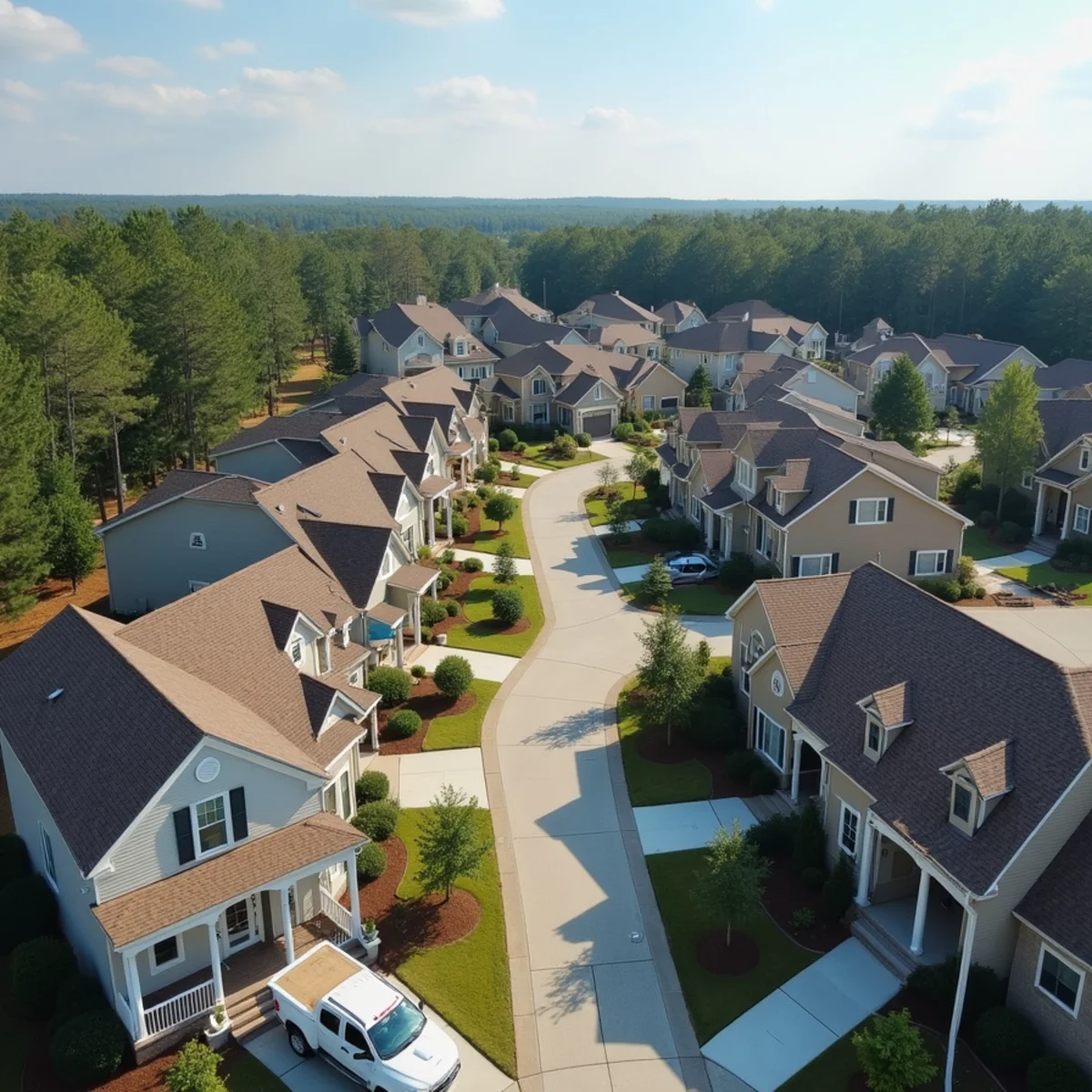
Across the Atlanta metro and North Georgia, a large share of homes sit inside a homeowners association, and that means the roof over each one isn't just the owner's business. It's the community's. HOA roofing standards exist to keep a neighborhood looking uniform and to protect property values, but for board members and homeowners alike they can turn a straightforward roof project into a maze of approvals, color charts, and paperwork.
At Eagles Roofing and Reconstruction, we work with HOA boards, property managers, and individual owners throughout communities in Cartersville, Marietta, and across the metro. We've seen how a roof replacement done without regard for the covenants can trigger fines, forced tear-offs, and neighbor disputes, and how easily all of that is avoided with the right process up front. Here's how HOA roofing standards typically work and how to stay on the right side of them.
Start With the Governing Documents
Every HOA operates under recorded documents, usually the Declaration of Covenants, Conditions, and Restrictions (the CC&Rs) and a set of architectural guidelines. These spell out what's allowed on exteriors, including roofs. Before any material is ordered, someone needs to read the current versions of these documents, because they control everything that follows.
Most communities also require an Architectural Review Committee (ARC) approval before work begins. Skipping that step is the single most common, and most expensive, mistake homeowners make. Approval before the first shingle comes off is not optional in most HOAs, and doing the work first and asking later can mean tearing off a brand-new roof.
Material Approvals: What You're Allowed to Install
Most HOAs specify approved roofing materials to keep the community consistent. In Georgia, that overwhelmingly means architectural (dimensional) asphalt shingles, which offer a uniform, upgraded look compared to old three-tab shingles. Many communities name specific manufacturers, product lines, or minimum quality grades.
Common material requirements include:
- Shingle type and grade, often architectural shingles of a specified weight or warranty class.
- Approved manufacturers or product lines, sometimes a short list the ARC has pre-approved.
- Prohibited materials, which may rule out certain metal, tile, or non-standard products even where local code would allow them.
Because the vast majority of HOA roofs in our area are shingle, our asphalt shingle roofing work is built around matching the exact products and grades communities require, so the finished roof passes review the first time.
Color Guidelines: Matching the Neighborhood Palette
Color is where homeowners get tripped up most, because a shingle that looks perfect in the parking lot of a home center may not be on the approved palette. HOAs commonly maintain an approved list of shingle colors, chosen so roofs across the community read as a cohesive whole rather than a patchwork.
Expect requirements around:
- An approved color list the ARC will hold you to, sometimes down to the specific manufacturer color name.
- Coordination with the home's exterior, so the roof, siding, and trim work together.
- Sample or swatch submission with the ARC application, so the committee approves the actual color before installation.
A good practice is to submit the manufacturer's color name and a physical sample to the ARC, get written approval, and keep that approval on file. That paper trail protects the homeowner if any question comes up later.
Contractor Compliance: More Than Just Good Work
HOAs and property managers increasingly require that the contractor itself meet standards, not just the materials. This protects the community from unlicensed, uninsured operators, and the fly-by-night storm-chasers who follow every hailstorm through North Georgia and disappear when the work fails.
Typical contractor requirements include proof of licensing and insurance, adherence to approved work hours and debris-removal rules, and protection of common areas and neighboring properties during the project. A professional contractor comes to the table with documentation ready and understands how to work within community rules without creating friction for the board or the neighbors.
Where Insurance Claims and HOA Rules Intersect
After a hail or wind storm rolls through, a whole community may file roof claims at once, and here the HOA rules and the insurance process collide. An insurance settlement pays to restore the roof, but the replacement still has to meet the HOA's material and color standards, which occasionally exceed what the carrier's baseline covers. Sorting that out takes a contractor who understands both worlds. Our insurance claim roof assistance helps homeowners and boards document storm damage properly and align the replacement with both the insurance scope and the community's requirements.
A Smoother Path for Boards and Owners Alike
For an HOA board or property manager overseeing many roofs, consistency is everything. Working with one contractor who knows the community's standards, keeps the documentation clean, and delivers uniform results across multiple homes makes the whole job easier to manage and easier to defend to residents. When it's time for a roof replacement, that continuity is worth a great deal.
We're a local family business based in Cartersville and serving HOA communities across Marietta and the greater Atlanta metro. We understand covenants, ARC applications, and the patience it takes to get an approval right, and we bring the documentation, licensing, and insurance that boards expect.
Whether you're a homeowner facing an ARC application or a board coordinating roofs across a community, we can help you navigate the standards and get the work done right. Call Eagles Roofing and Reconstruction at (855) 705-1940 to talk through your community's requirements and schedule a free inspection.
The ARB Approval Workflow and the Contractor Compliance Paperwork
Before a single shingle comes off in most North Georgia HOAs, the work has to clear the Architectural Review Board. The ARB workflow is predictable once you know it: you submit an application that names the material, the exact shingle line and color, the manufacturer, and usually a sample or manufacturer's color chip, along with the contractor's information and a rough timeline. Boards typically review on a set schedule, so plan for a two-to-four-week turnaround and file early. The most common rejection we see is color drift. Many communities maintain approved color families so roofs read as one cohesive streetscape, and a shade that clashes with the neighboring homes gets bounced even when the material is otherwise allowed.
Skipping approval is an expensive gamble. Associations can levy fines, place a lien, and in the worst case compel a homeowner to tear off a non-conforming roof and redo it at their own cost, so the paperwork is cheaper than the risk every time. Compliance also runs to the contractor: a reputable roofer provides a current certificate of insurance naming both general liability and workers' compensation, pulls the required local permit, and many boards want that COI on file before work begins. We handle that documentation as a matter of course, submit cleanly to the ARB, and match approved color lines so your project passes the first time. Call (855) 705-1940 and we will walk your board's requirements with you.
Key Takeaways
- Submit the ARB application early: material, exact shingle line and color, manufacturer, a sample, and contractor details.
- Expect a two-to-four-week review, and file ahead of any planned start date.
- Color is the most common rejection; match the community's approved color family and neighboring roofs.
- Skipping approval can bring fines, liens, or a forced tear-off and redo at your expense.
- Use a contractor who provides a current COI (liability and workers' comp) and pulls the local permit.
Frequently Asked Questions
Do I need HOA approval before replacing my roof?
In most HOAs, yes. You typically need Architectural Review Committee approval before any work begins. Doing the replacement first and asking later is the most common and costly mistake, since it can result in fines or a forced tear-off of a brand-new roof. Always check your CC&Rs first.
What roofing materials do most Georgia HOAs require?
The large majority require architectural (dimensional) asphalt shingles, often specifying particular manufacturers, product lines, or minimum quality grades to keep the community uniform. Some communities prohibit certain metal or tile products even where local code allows them. Check your architectural guidelines for the approved list.
How do HOA rules affect a storm-damage insurance claim?
An insurance settlement restores the roof, but the replacement must still meet your HOA's material and color standards, which can occasionally exceed the carrier's baseline. A contractor familiar with both processes can align the two. Call (855) 705-1940 for help documenting damage and meeting community requirements.
Have a Roofing Question of Your Own?
Eagles Roofing and Reconstruction offers free, no-obligation roof inspections across Cartersville and North Georgia. Get honest answers from a local roofer.