Here in North Georgia, we do not worry much about hurricanes, but we know all about straight-line wind. Every storm season in Dixie Alley brings gusts strong enough to peel shingles off a roof like pages from a book, and when that happens, it is almost never bad luck. It is almost always an installation shortcut coming home to roost. The difference between a roof that holds and a roof that flies away comes down to a handful of details most homeowners have never heard of: starter strips, nailing patterns, and proper sealing. Let us pull back the curtain.
What Wind Uplift Actually Is
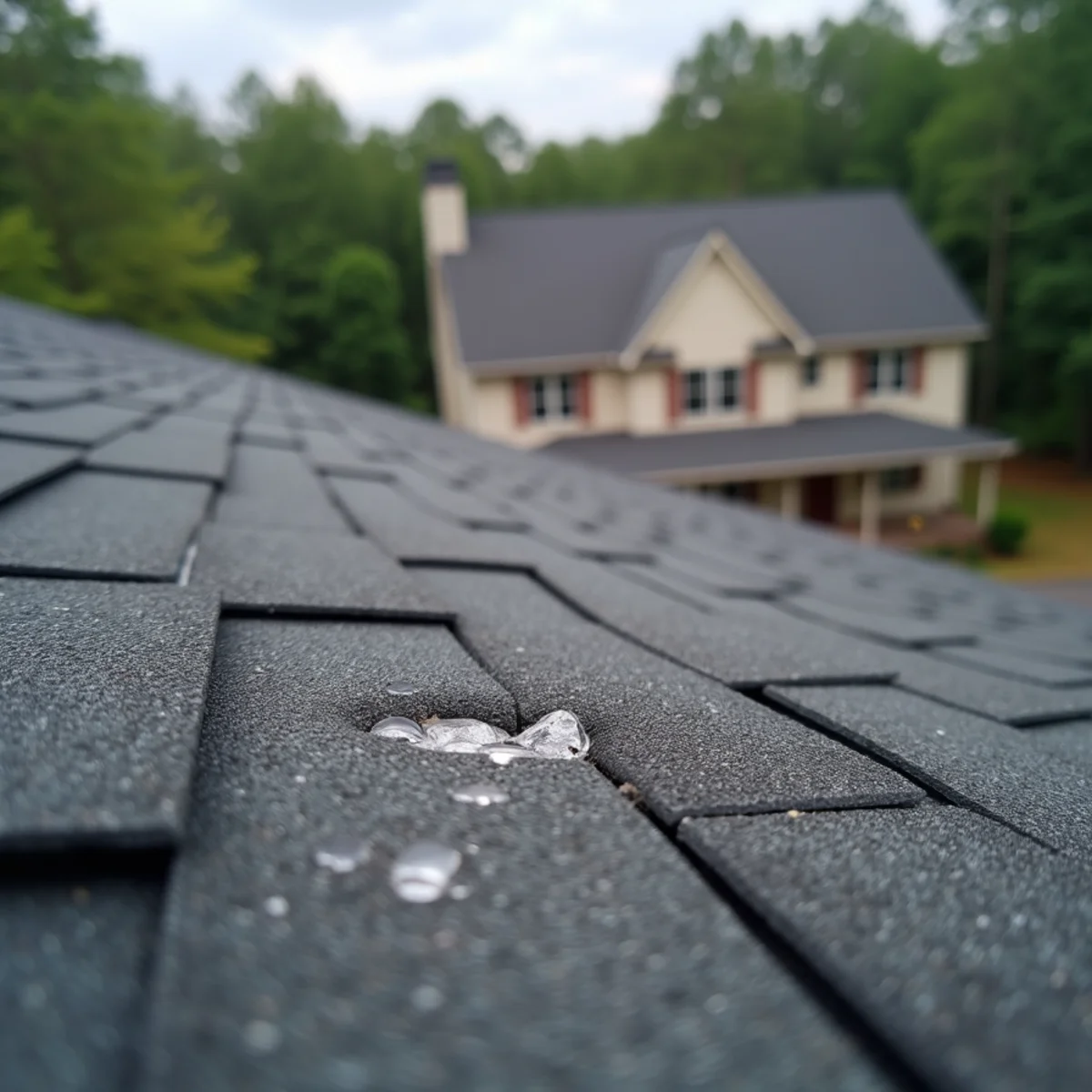
When wind hits your house, it does not just push on the roof, it pulls. As air flows over and around the roofline, it creates negative pressure, or suction, especially along the eaves, rakes, and ridges. That lifting force is called uplift. If the edge of a shingle is not sealed and fastened correctly, the wind gets underneath it, catches it like a sail, and peels it back. Once one shingle goes, the row behind it is exposed, and the failure cascades. The most vulnerable spots are always the edges, which is exactly why the edge details matter so much.
The Starter Strip: Your Roof's First Line of Defense
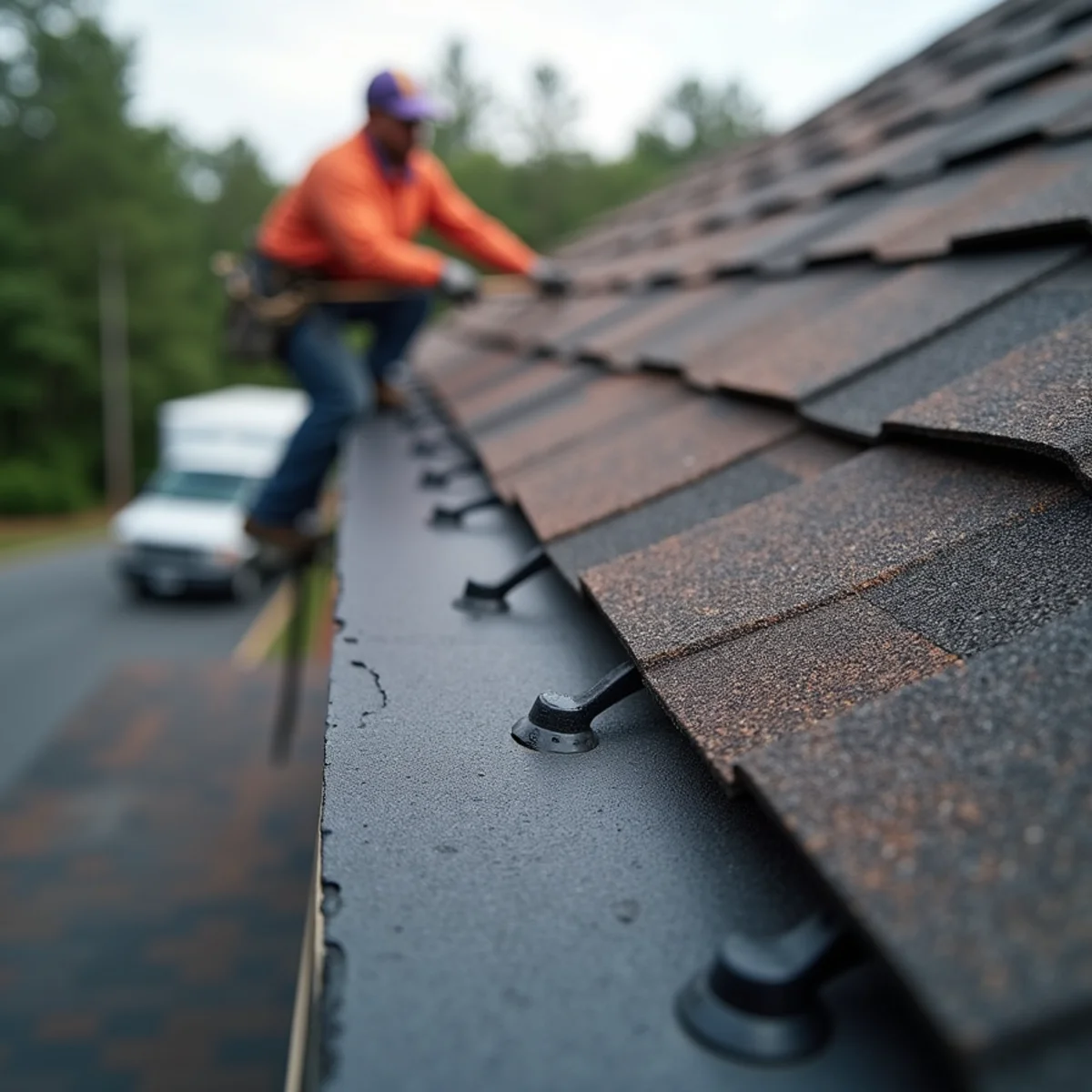
This is the detail that separates professionals from corner-cutters. A starter strip is a specialized course of material installed along the eaves and rakes before the first row of visible shingles goes down. It has a factory-applied strip of adhesive positioned precisely to seal the bottom edge of that first row.
Why the Shortcut Fails
Some installers skip real starter strips and instead flip a regular shingle around or cut the tabs off to save a few dollars. The problem is that a flipped shingle puts the sealant in the wrong place, leaving the exposed bottom edge with nothing holding it down. That unsealed edge is precisely where wind uplift begins. When we inspect roofs that lost shingles in a windstorm, missing or improper starter strips are one of the most common culprits we find. Proper starter strips at every eave and rake are non-negotiable on a roof we install.
The Nail Pattern: Four Nails vs. Six
Every shingle has a designated nailing zone, a horizontal band where nails are supposed to land. How many nails you drive there, and exactly where, determines how firmly the shingle is anchored against uplift.
Why Six Nails Beats Four
The standard minimum is four nails per shingle, and in calm conditions that holds. But for high-wind performance, manufacturers specify a six-nail pattern, adding two more fasteners to grip the shingle more securely across its width. Those two extra nails per shingle add up to thousands of additional anchor points across your whole roof. In wind-prone North Georgia, we consider the six-nail pattern the right call for the enhanced wind ratings homeowners want. It is a small amount of extra labor for a meaningful jump in resilience.
Nail Placement Is Just as Important
Here is the part even some crews get wrong. Nails must land in the reinforced nailing zone, driven straight, and set flush, not overdriven so they crush through the shingle, and not underdriven so they stand proud. A high nail that misses the zone essentially anchors nothing and can let the shingle above it slide. An overdriven nail tears the mat and creates a leak point. Correct placement is a skill, and it is one reason the crew on your roof matters as much as the shingle brand.
Sealing: Letting the Roof Bond Itself
Modern architectural shingles have a heat-activated adhesive strip that bonds each shingle to the one below once the sun warms the roof. This self-seal is a huge part of wind resistance, but it only works if the shingles are installed correctly and given time and warmth to bond. Roofs installed in cold weather sometimes need extra attention, occasionally hand-sealing, to make sure that bond forms. A properly bonded roof is dramatically more resistant to uplift than one where the seal never took.
Edges, Ridges, and the Whole System
Wind resistance is a system, not a single product. Beyond starter strips and nailing, a wind-worthy roof needs securely fastened drip edge, properly installed ridge caps (which are their own vulnerable point), and sound flashing. Skimp on any one of these and the wind will find the weak link. When we talk about a roof being "rated" for high wind, that rating only holds if the entire installation follows the manufacturer's specifications, edge to edge and ridge to ridge.
How to Know If Your Roof Is Wind-Ready
You cannot see most of these details from your driveway, because the starter strips and nails are hidden under the finished shingles. That is why an inspection by an experienced roofer is the only reliable way to know whether your roof was built to stand up to a Georgia windstorm. If your roof has already lost shingles in a storm, that is a loud signal that something in the installation was not right, and our storm damage roof repair team can assess and correct it.
Homeowners across Cartersville and Bartow County count on us to build roofs the right way the first time, with the edge details that actually keep the shingles on the deck when the wind howls.
Build It Right, Sleep Through the Storm
A roof is only as strong as the details you cannot see, and at Eagles Roofing and Reconstruction LLC, we obsess over those details: real starter strips, six-nail patterns, correct placement, and proper sealing on every shingle roof we install. If you want to know how your current roof would hold up, or you are ready for one built to beat the wind, call us today at (855) 705-1940 for your free 21-point roof inspection. Let us give you a roof that stays put.
Wind Peels a Roof From the Edge Inward
Wind rarely lifts shingles from the middle of a roof; it attacks the perimeter first. As air flows over the eaves and rakes it creates uplift pressure that pries at any edge shingle that is not locked down, and once the first course lifts, the wind gets underneath and unzips the field row by row. That is why the starter strip matters so much. A proper starter bonds the first course along the edge and eliminates the exposed tab the wind would otherwise grab. Field shingles nailed with a six-nail pattern, rather than four, double the holding power exactly where the storm loads are highest.
Timing is the other overlooked factor. Shingles seal by heat: the adhesive strips activate in warm sun over days or weeks after installation. A roof installed in cool weather, or one hit by a storm within its first season before it has sealed, is far more likely to lose shingles even when nailed correctly. Enhanced fastening, including ring-shank nails that resist backing out, and hand-sealing edges on cool installs close that gap. We install to high-wind specs as standard practice across North Georgia. Call Eagles Roofing at (855) 705-1940.
Key Takeaways
- Wind damage starts at the eaves and rakes, then unzips the field, so edge detailing is critical.
- A true starter strip removes the exposed tab wind uses to peel the first course.
- A six-nail pattern nearly doubles holding power versus four nails in high-wind zones.
- New roofs are vulnerable until the sun activates the self-seal strips over days to weeks.
- Eagles Roofing installs to high-wind spec with enhanced nailing; call (855) 705-1940.
Frequently Asked Questions
How many nails should be used per shingle in Georgia?
Four nails is the minimum standard, but for our wind-prone North Georgia climate we recommend a six-nail pattern to achieve enhanced wind ratings. Just as important as the count is placement: every nail must land in the reinforced nailing zone, driven flush and straight.
Why did my shingles blow off when my neighbor's didn't?
It usually comes down to installation quality. Missing or improper starter strips, too few nails, misplaced nails, or shingles that never sealed properly all leave edges vulnerable to wind uplift. A close inspection can pinpoint exactly what went wrong on your roof.
Can you upgrade my existing roof's wind resistance without replacing it?
It depends on the roof's condition and how it was originally installed. Some issues, like unsealed shingles or damaged ridge caps, can be addressed with repairs, but a fundamentally poor installation is best corrected with a proper replacement. We will give you an honest assessment after inspecting it.
Have a Roofing Question of Your Own?
Eagles Roofing and Reconstruction offers free, no-obligation roof inspections across Cartersville and North Georgia. Get honest answers from a local roofer.