For a property manager, the commercial roof is one of the most expensive assets on the building and one of the most disruptive to replace. A full tear-off means dumpsters, noise, exposed interiors, tenant complaints, and a capital expense that can strain any budget. So when a flat roof starts showing its age, the natural question is: does this have to be an all-or-nothing decision?
Often, it doesn't. Fluid-applied roof coatings, also called restoration coatings, have become a serious tool for extending the life of commercial flat roofs. At Eagles Roofing and Reconstruction, we help property managers and building owners across Bartow County and the Atlanta metro weigh coatings against replacement, and when a coating is the right fit, it can be one of the smartest moves on a maintenance budget. Here's an honest look at how they work and when they make sense.
What a Fluid-Applied Coating Actually Does
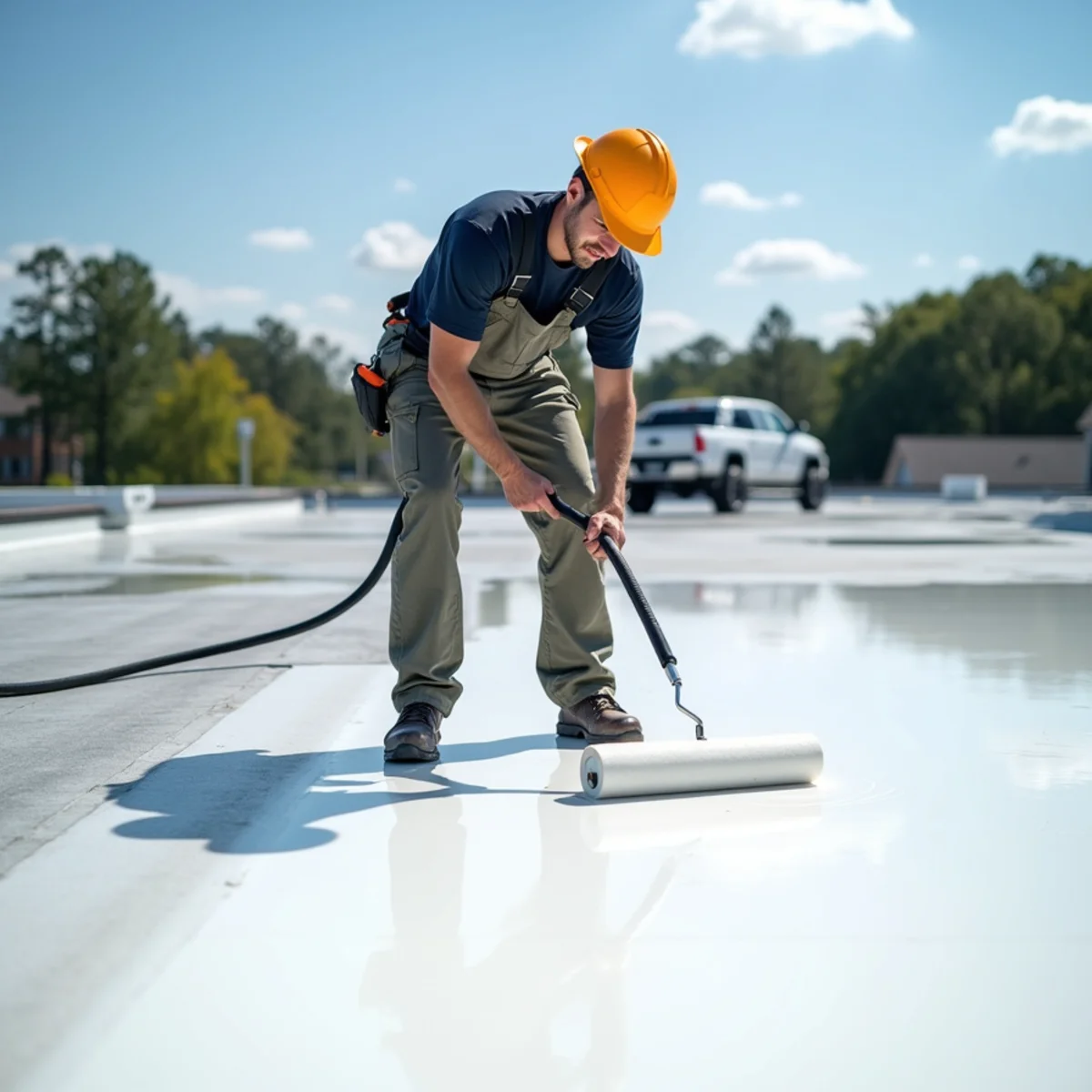
A roof coating is a liquid membrane, applied by spray or roller directly over an existing roof, that cures into a seamless, watertight, reflective layer. Instead of tearing off the old roof, you're renewing it with a fresh protective skin that bonds to the surface underneath and covers the seams, flashings, and small imperfections where leaks tend to start.
The common coating chemistries each have their strengths:
- Silicone excels at resisting ponding water and holds up well under standing moisture, a real advantage on flat roofs prone to slow drainage.
- Acrylic offers strong reflectivity and value, and performs well on roofs that drain properly.
- Polyurethane brings toughness and resistance to foot traffic, useful on roofs with heavy rooftop service activity.
The right choice depends on your existing roof type, your drainage, and how the roof is used. That's a decision to make with a contractor who has actually walked your roof, not from a brochure.
The Benefits That Matter to a Property Manager
Extended Roof Life Without a Tear-Off
A properly applied coating over a sound roof can add years of service life. When the coating nears the end of its own life, it can often be cleaned and recoated, extending the roof again. That turns a looming capital replacement into a manageable, repeatable maintenance cycle.
Lower Cost and Less Disruption
Because there's no tear-off, coatings generally cost less than replacement and go on faster, with far less disruption to tenants below. There are no dumpsters full of old membrane, no open roof exposing the interior, and business underneath keeps running. For a manager juggling tenant relations, that reduced disruption is worth as much as the dollar savings.
Energy Savings From Reflectivity
Most coatings cure to a bright white, highly reflective surface. On our hot North Georgia summers, that reflectivity bounces solar heat away, lowers rooftop temperatures, and can meaningfully reduce cooling costs for the space below, an ongoing return that continues for the life of the coating.
A Seamless, Leak-Resistant Surface
Seams and penetrations are where flat roofs leak. A fluid-applied coating encapsulates those vulnerable points in one continuous membrane, eliminating the seams that were the weak links in the original roof.
The Honest Limits: When a Coating Is the Wrong Call
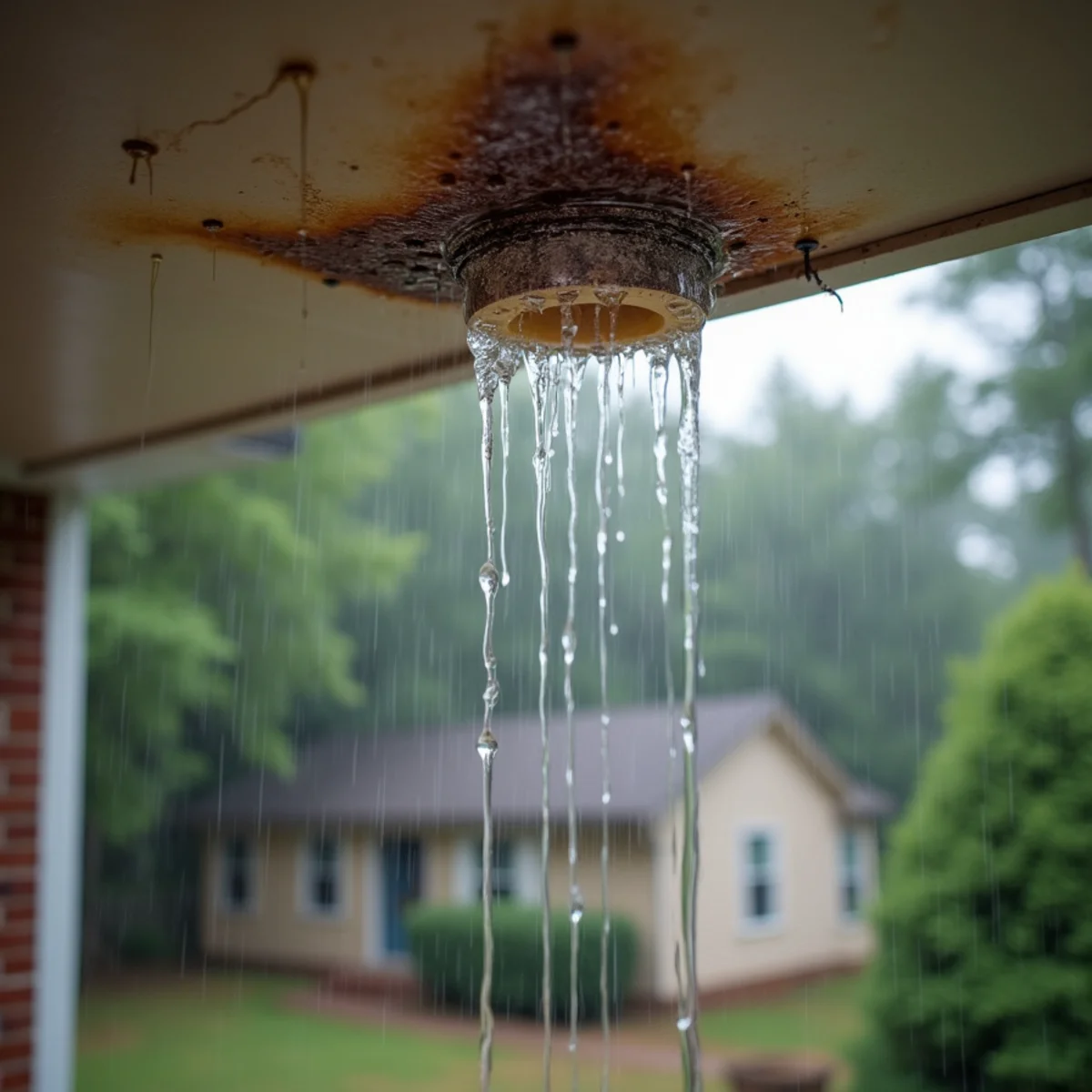
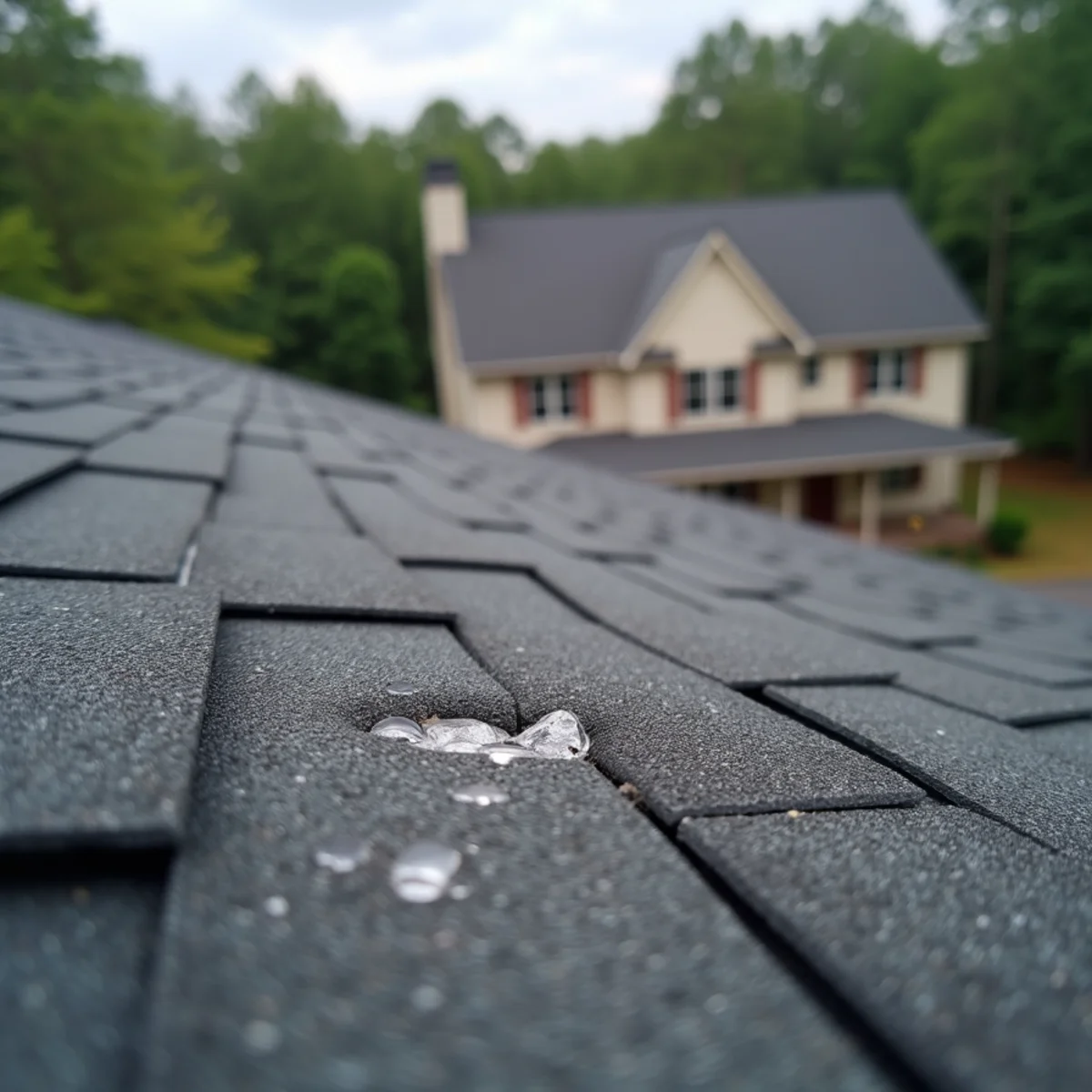
A coating is a restoration tool, not a miracle. It renews a roof that still has good bones. It cannot save a roof that's already failed. If the decking is rotted, insulation is saturated with trapped moisture, or the membrane is torn open across wide areas, coating over that only hides the problem while the damage spreads underneath.
That's why every coating project has to start with an honest condition assessment. Our free roof inspection for commercial buildings determines whether the roof is a genuine candidate for restoration or whether the responsible recommendation is repair or replacement. We won't coat a roof that needs to be replaced just to make a sale, because a coating over a dying roof fails, and then you've spent money and still need the replacement.
How the Decision Usually Plays Out
When we assess a commercial flat roof, the coating conversation generally lands in one of three places:
- Good candidate: the membrane is aging and losing reflectivity but structurally sound, with dry insulation and intact decking. A coating is likely the best value.
- Repair first, then coat: the roof is sound overall but has isolated damage. We repair those areas, then coat, getting the full life extension.
- Replacement is the honest answer: the roof has widespread saturation or structural failure. Here, a new flat roofing system is the sound investment, and a coating would only delay the inevitable at added cost.
Knowing which category your roof falls into is exactly the kind of clarity that lets you plan a capital budget with confidence instead of guessing.
Plan Ahead With a Local Team You Can Trust
We're a family-owned business based in Cartersville, and our commercial roofing services are built around giving property managers straight answers. We know you're accountable for budgets and tenants, and that a roof recommendation you can trust is worth more than a fast sales pitch. When a coating is right, we'll tell you. When it isn't, we'll tell you that too.
If your commercial flat roof is aging and you're weighing your options for the coming budget year, let's get it assessed before you commit to anything. Call Eagles Roofing and Reconstruction at (855) 705-1940 to schedule a commercial roof evaluation and find out whether a fluid-applied coating can extend the life of your roof.
When a Coating Is the Wrong Call, and Silicone vs. Acrylic in Georgia Humidity
A fluid-applied coating is one of the best values in commercial roofing, but only over a sound substrate. The honest answer we give managers is that a coating is the wrong call when the insulation beneath the membrane is already wet or the membrane itself has failed. Coating traps that moisture, and within a year or two it blisters, delaminates, and peels, wasting the investment. That is why a moisture survey precedes any coating proposal: if the core cuts come back saturated, the money belongs in a replacement, not a recoat. A coating restores and extends a roof that is tired but intact; it cannot resurrect one that is already rotting from within.
For Georgia's heat and humidity, the silicone-versus-acrylic choice comes down to ponding. Silicone shrugs off standing water and high moisture, holds its reflectivity, and resists the ponding that plagues low-slope roofs here, which makes it our common recommendation for flat commercial decks. Acrylic costs less and breathes well on roofs with positive drainage, but it can soften and wash thin under chronic ponding, so we steer it toward steeper metal or sloped assemblies. A properly applied coating also opens a renewable warranty: many systems can be recoated at the end of the term to reset coverage, and the expense is often handled as a maintenance deduction rather than a capital depreciation. Call (855) 705-1940 to discuss which system fits your building.
Key Takeaways
- A coating extends a sound roof but must never go over wet insulation or a failed membrane.
- Run a moisture survey first; saturated core cuts mean replace, not recoat.
- Silicone resists ponding and humidity, making it the usual choice for flat Georgia decks.
- Acrylic is cheaper and breathable but thins under chronic ponding, so it suits sloped or metal roofs.
- Many coating systems are renewable, resetting the warranty and often qualifying as a maintenance expense.
Frequently Asked Questions
How much life can a coating add to a commercial flat roof?
A properly applied coating over a structurally sound roof can add several years of service, and it can often be cleaned and recoated when it nears the end of its own life, extending the roof again. This turns a looming replacement into a repeatable maintenance cycle. Costs vary by roof size, condition, and coating type.
Can any flat roof be coated instead of replaced?
No. Coatings restore roofs that still have good bones, sound decking, dry insulation, and an intact membrane. They cannot save a roof with rotted decking, saturated insulation, or widespread tears. An honest condition assessment first is essential; call (855) 705-1940 to schedule one.
Do roof coatings really lower energy costs?
Yes. Most coatings cure to a bright, reflective white surface that bounces solar heat away, lowering rooftop temperatures and reducing cooling costs for the space below. In North Georgia's hot summers, that reflectivity delivers an ongoing return for the life of the coating.
Have a Roofing Question of Your Own?
Eagles Roofing and Reconstruction offers free, no-obligation roof inspections across Cartersville and North Georgia. Get honest answers from a local roofer.