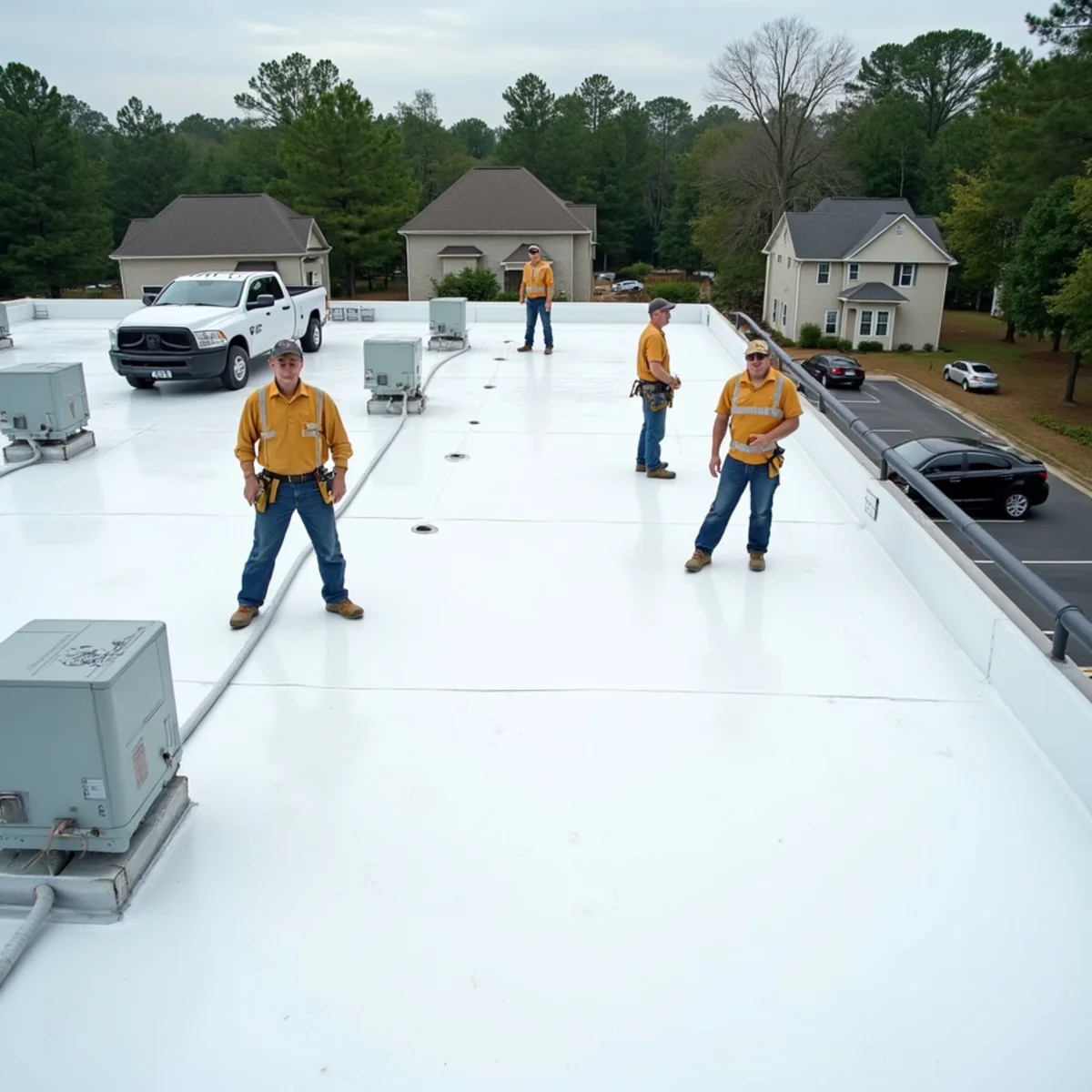
If you manage a commercial property along the I-75 or US-41 corridors in North Georgia, chances are good that a flat or low-slope roof sits over your tenants' heads. And chances are just as good that it's a TPO membrane, the white single-ply system that's become the workhorse of commercial roofing. TPO is durable, energy-efficient, and reflective, but like any roof, it only delivers its full service life if it's maintained. Neglect it, and two problems will quietly cut that life short: ponding water and UV breakdown.
At Eagles Roofing and Reconstruction, we work with property managers and building owners across the greater Atlanta metro and Bartow County who count on their roofs to protect inventory, equipment, and tenants. This guide walks through what actually threatens a commercial flat roof here, and the maintenance rhythm that keeps small issues from becoming five-figure repairs.
Ponding Water: The Problem a "Flat" Roof Is Built to Avoid
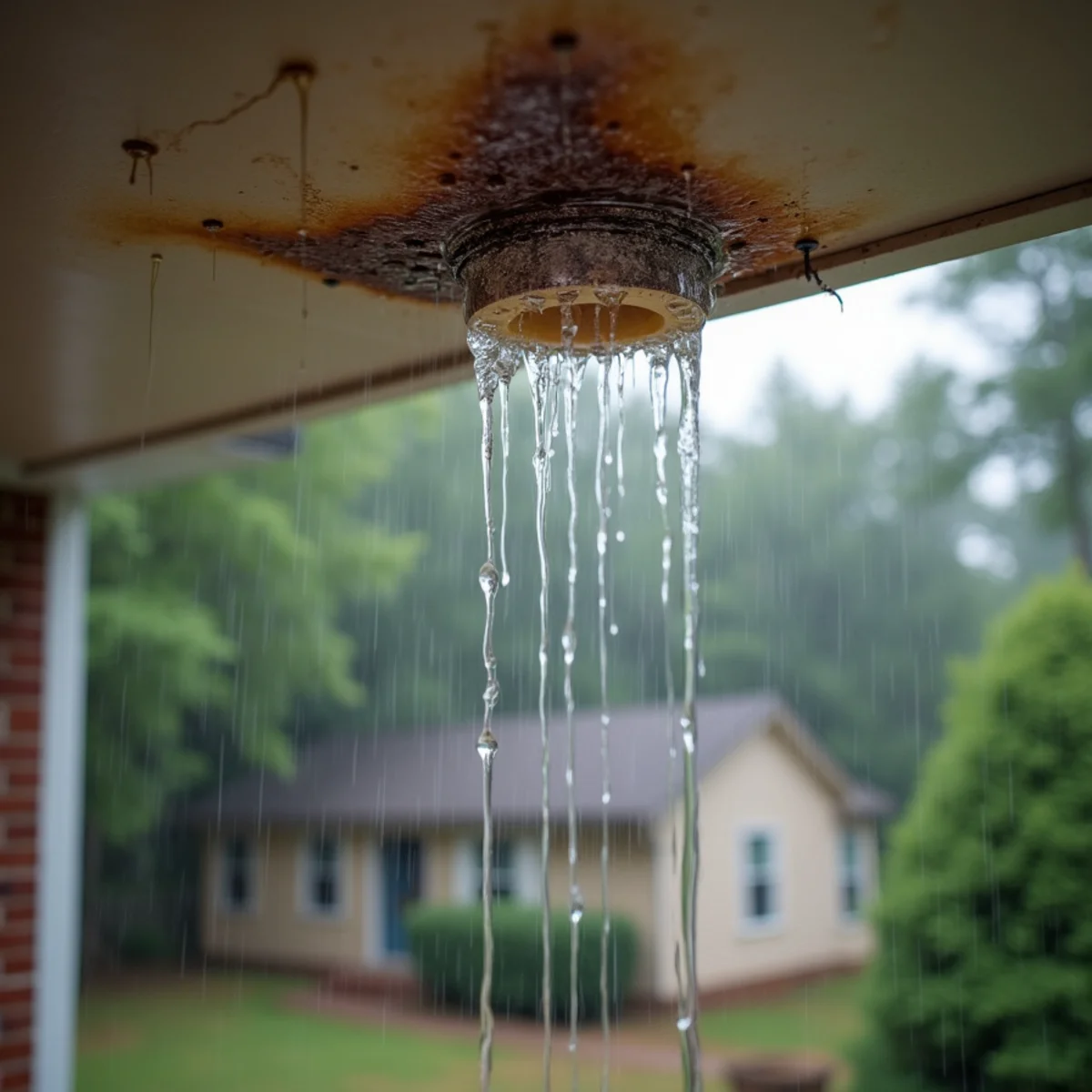
A flat roof isn't truly flat. It's built with a slight slope, and internal drains, scuppers, and gutters, all designed to move water off within a day or two of rainfall. When water sits on the membrane longer than 48 hours after a storm, that's ponding, and it's a warning sign that the drainage system is failing somewhere.
Why Ponding Is So Damaging
- It accelerates membrane breakdown. Standing water magnifies UV exposure and speeds the chemical aging of the TPO, so ponded areas degrade faster than the rest of the roof.
- It adds enormous weight. Water weighs about five pounds per square foot per inch of depth. A large pond puts real structural stress on the deck.
- It finds every weak seam. A watertight seam under a quick rain is a different thing from a seam sitting under standing water for days. Ponding pressures the seams and penetrations until one gives way.
- It breeds algae and debris buildup that clog drains further, making the ponding worse in a feedback loop.
Here in North Georgia, our severe storms can dump heavy rain fast, and the dense tree canopy near many commercial parks means drains and scuppers clog with leaves and pine straw quickly. That combination makes drainage inspection the single most important maintenance task on a flat roof.
UV Breakdown: The Slow Degradation From Above
TPO's reflective white surface is one of its best features. It bounces solar energy back and keeps rooftop temperatures, and cooling costs, down. But the sun is relentless, and over years of Georgia summers, ultraviolet light gradually breaks down the top layer of the membrane. The surface chalks, thins, and eventually loses the reinforcement that keeps it watertight.
UV breakdown is normal aging, but neglect speeds it up. Dirt and debris left on the roof reduce reflectivity, which raises surface temperatures, which accelerates the breakdown. Foot traffic from HVAC technicians grinds grit into the membrane and wears it thin at the walking paths. The goal of maintenance isn't to stop UV aging, which is impossible, but to slow it and catch the thin spots before they open up.
A Practical Maintenance Plan for Commercial Flat Roofs
Twice-Yearly Professional Inspections
The backbone of flat-roof care is a professional inspection in spring and fall, plus after any major storm. Spring catches winter damage; fall clears the roof before leaf-drop chokes the drains. Our commercial roofing services team documents membrane condition, seam integrity, flashing, drainage, and rooftop penetrations so you have a clear record for budgeting and for insurance.
Keep Drains, Scuppers, and Gutters Clear
This is the highest-value routine task. Clogged drainage is the leading cause of ponding, and it's entirely preventable. Have drains cleared on a schedule, and always after heavy storms.
Inspect Seams and Penetrations
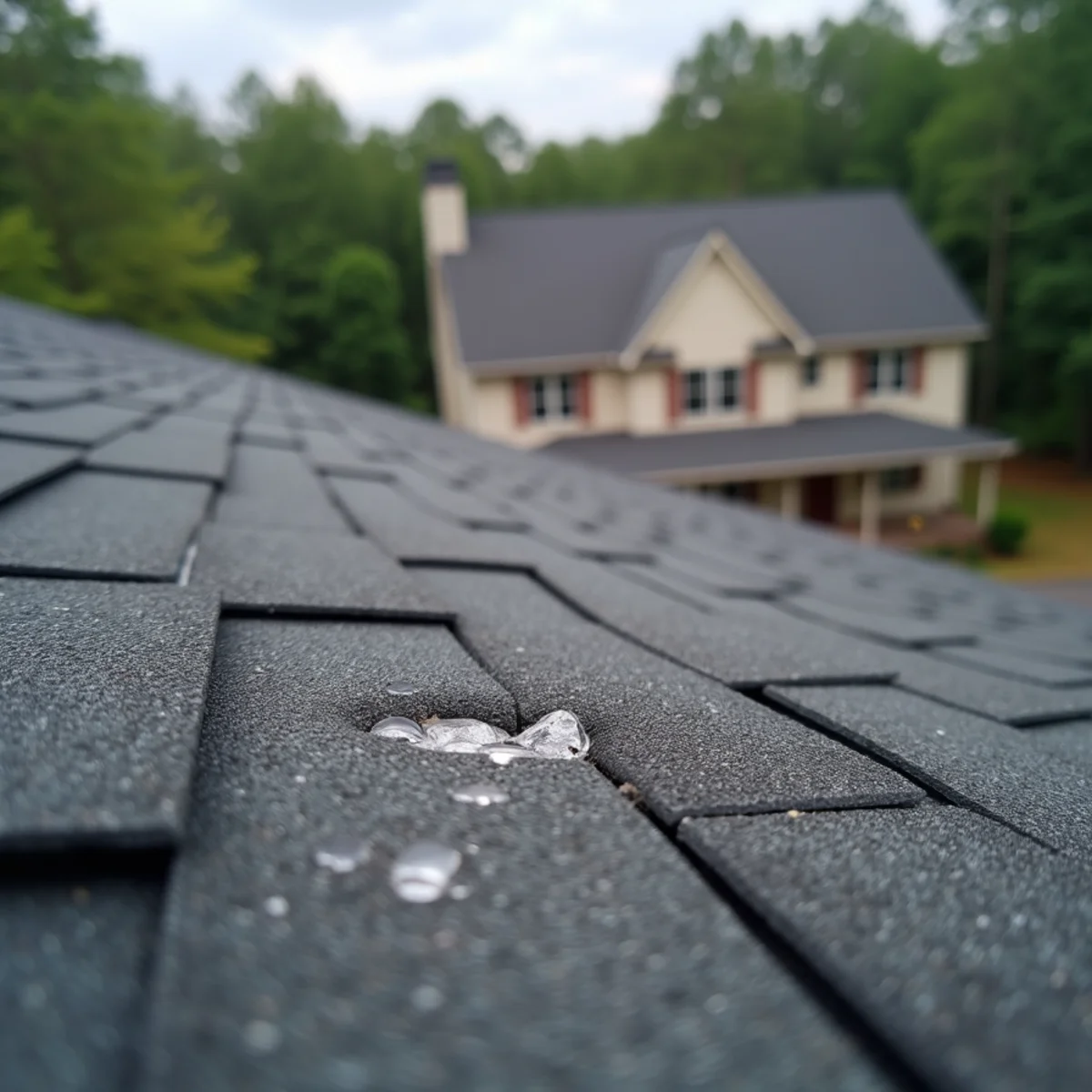
Seams, and the flashings around HVAC curbs, vents, and skylights, are where nearly every leak begins. These deserve close attention on every inspection. Small seam separations are cheap to reseal today and expensive to ignore.
Control Rooftop Foot Traffic
Every trip a technician makes across the membrane wears it. Designated walk pads along service routes protect the TPO where traffic is heaviest.
Address Small Damage Immediately
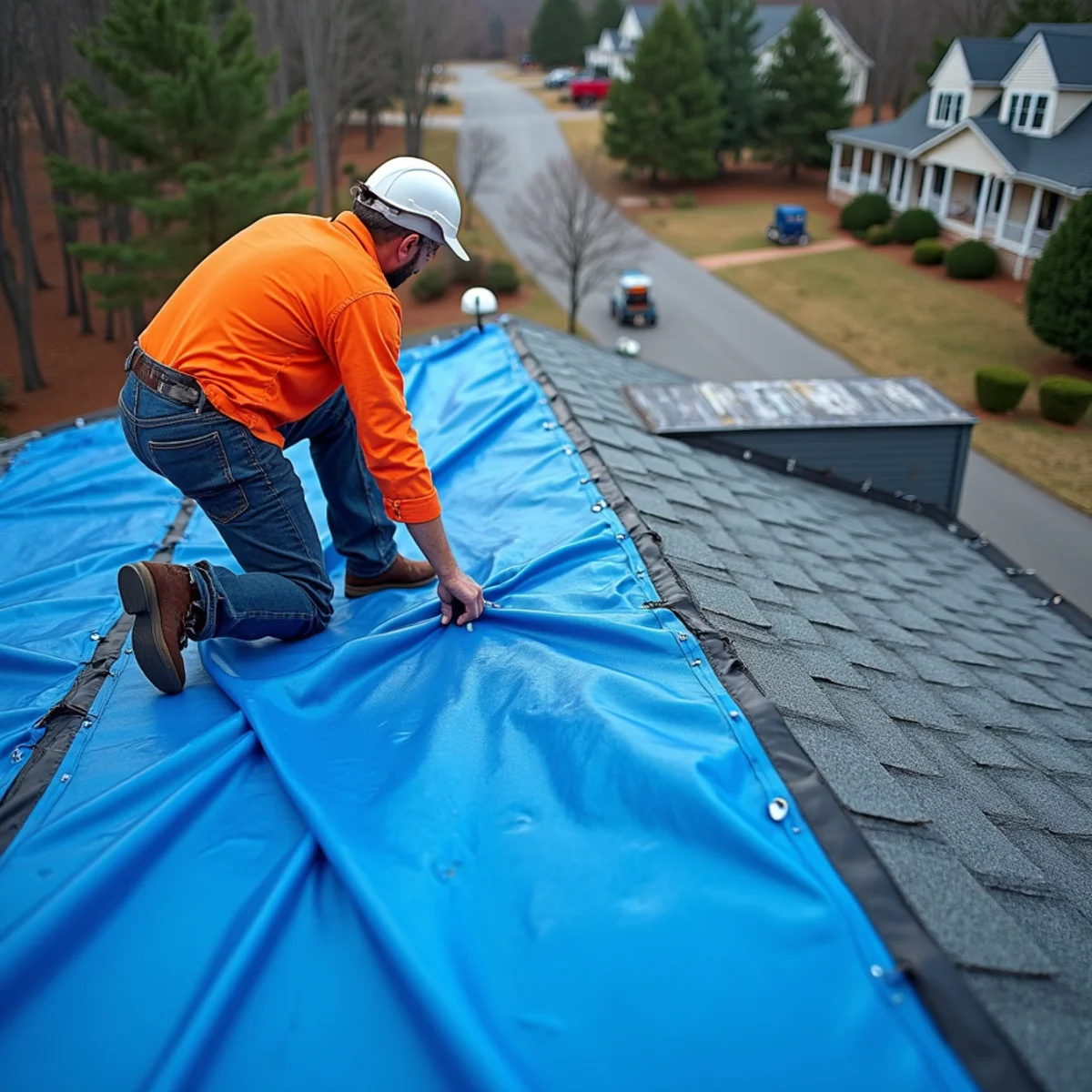
A puncture from a dropped tool or storm debris seems minor until water tracks under the membrane and spreads across the deck. When a storm hits hard, our emergency roof tarping service can protect the building fast while a permanent repair is scheduled.
When Maintenance Isn't Enough
Every membrane has a service life, and eventually maintenance shifts from extending the roof to planning its replacement. When ponding has degraded large areas, or UV breakdown has thinned the membrane broadly, restoration or replacement of the flat roofing system becomes the responsible call. Catching that transition early, before an active leak damages the interior, keeps you in control of the timing and the budget instead of reacting to an emergency.
A Local Partner for Your Property
We're a family business based in Cartersville, serving commercial properties across Bartow County and the Atlanta metro. We understand the demands property managers face: tight budgets, tenant expectations, and roofs that can't be allowed to fail. Our approach is straightforward documentation and honest recommendations, so you can plan ahead instead of scrambling.
If it's been more than a year since your flat roof had a professional look, or if you've noticed water standing after storms, let's set up an assessment. Call Eagles Roofing and Reconstruction at (855) 705-1940 to schedule a commercial flat roof inspection and get a clear picture of your building's condition.
Building a Real Maintenance Log: Ponding, Core Cuts, and Inspection Cadence
Property managers who protect a TPO roof treat it like any other asset with a written schedule, not a call made only after a tenant reports a drip. We recommend a documented inspection twice a year, in spring and fall, plus a walk after any major storm. Each visit gets logged: drain and scupper condition, seam integrity, flashing at curbs and penetrations, membrane punctures, and standing water. Ponding that lingers more than 48 hours after rain is the warning sign that matters most on a flat roof, because sitting water magnifies UV, breeds algae, and finds the smallest seam weakness. Photograph the same reference points each time so you can see change instead of guessing.
When a roof is more than a few years old or shows suspicious staining, a core-cut moisture survey tells you what the surface cannot: whether water has already reached the insulation below the membrane. A small sample pulled and sealed reveals wet insulation that no coating or patch can fix, which steers the budget decision. That is the heart of capex versus repair planning: spot repairs and seam work are operating expense that extends life, but saturated insulation means the assembly is consuming itself and belongs in a capital replacement line. A clear maintenance log turns that conversation into data your ownership can sign off on. Call (855) 705-1940 to set up a managed maintenance program.
Key Takeaways
- Inspect TPO twice a year (spring and fall) plus after every major storm, and log each visit.
- Water that ponds longer than 48 hours is the top warning sign on a flat roof.
- Check drains, scuppers, seams, and penetration flashing every visit, with dated photos of fixed reference points.
- Core-cut moisture surveys reveal wet insulation that patching or coating cannot fix.
- Seam and flashing repairs are operating expense; saturated insulation is a capital replacement decision.
Frequently Asked Questions
How long can water pond on a flat roof before it's a problem?
Water should drain off a properly functioning flat roof within 24 to 48 hours after rain. Standing water beyond that is ponding and signals a drainage problem. It accelerates membrane breakdown, stresses the deck with weight, and pressures seams until they leak. Call (855) 705-1940 to have it assessed.
How often should a commercial TPO roof be inspected?
Twice a year, in spring and fall, plus after any major storm. Spring catches winter damage and fall clears the roof before leaves clog the drains. Regular professional inspections with documentation help you budget for repairs and support insurance claims.
Can a TPO flat roof be maintained instead of replaced?
Often, yes. Keeping drains clear, resealing seams early, controlling foot traffic, and addressing small damage promptly can extend a TPO roof's service life considerably. Replacement becomes the right call only once ponding or UV breakdown has degraded large areas of the membrane.
Have a Roofing Question of Your Own?
Eagles Roofing and Reconstruction offers free, no-obligation roof inspections across Cartersville and North Georgia. Get honest answers from a local roofer.