Homeowners tend to think of a roof as protection from what falls on it: rain, hail, branches, sun. What most people never consider is that a roof also has to survive what happens underneath it. In a North Georgia summer, an under-ventilated attic can climb well past 140 degrees, and that trapped heat bakes your shingles from the inside out. If your roof is aging faster than it should, or the shingles are blistering and curling years before their warranty is up, poor attic ventilation is very often the hidden reason.
How a Roof Is Supposed to Breathe
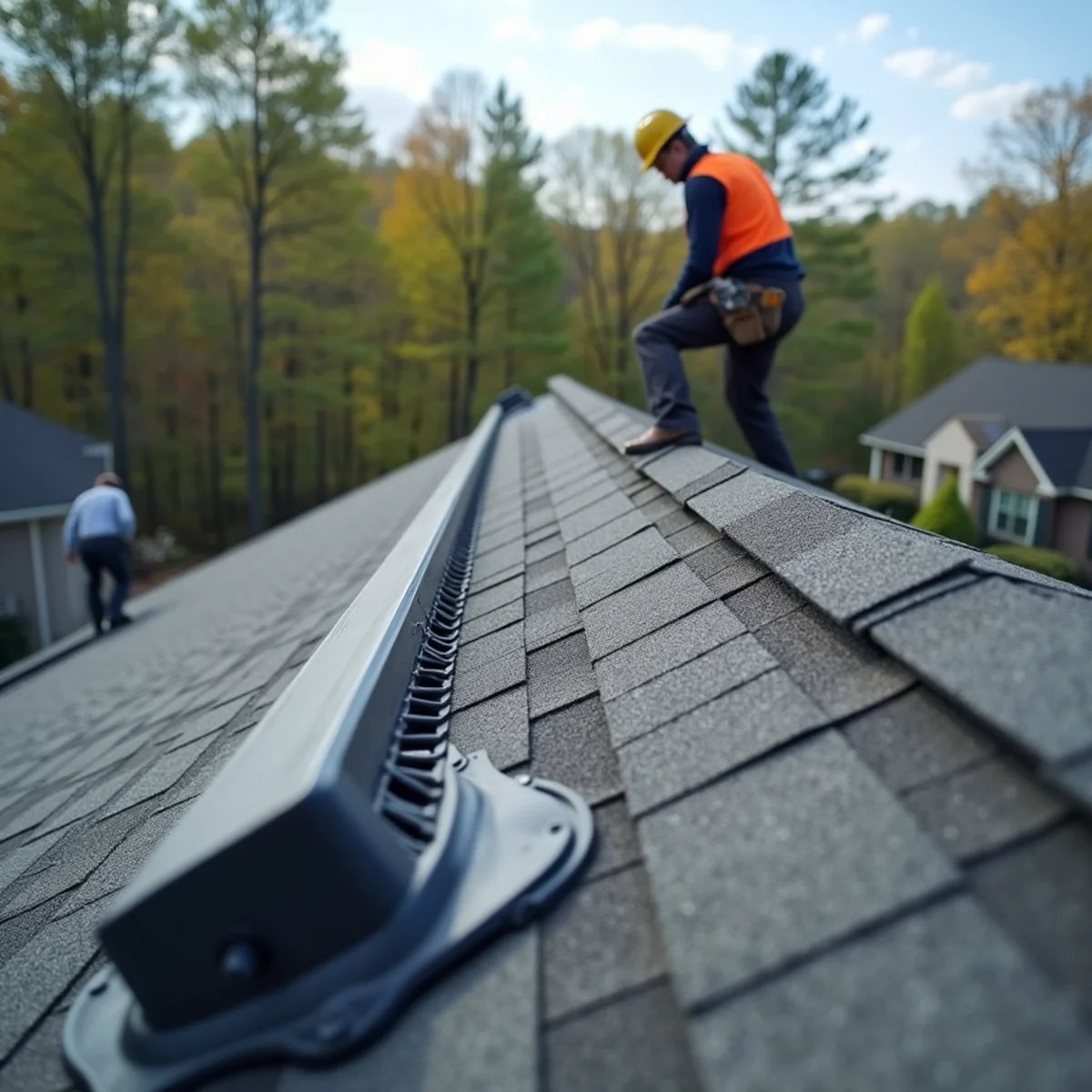
A properly ventilated roof works on a simple principle: cool air in low, hot air out high. Cool air enters through soffit vents under the eaves, rises as it warms, and exits through a ridge vent at the very peak of the roof. This continuous convective loop pulls heat and moisture out of the attic all day long without any fans or electricity. The key word is balanced. You need roughly equal intake at the soffits and exhaust at the ridge for the system to move air. Plenty of roofs have a ridge vent but painted-over or insulation-blocked soffits, which is like opening the chimney flue with the damper still shut.
What Happens Without It
When that airflow stalls, two things build up in the attic: heat and moisture. Both are destructive.
- Heat cooks the asphalt in your shingles from below. The oils that keep shingles flexible dry out, and you get blistering, curling, and premature granule loss. A shingle rated for 25 or 30 years can fail in half that time.
- Moisture from cooking, showers, and North Georgia's humid air condenses on cold roof decking in winter. That leads to damp, moldy sheathing, rusted nails and fasteners, and matted-down insulation that stops doing its job.
The damage is quiet and cumulative. You do not see it happening, you just find out years later when a roof that should have lasted decades is done early.
Signs Your Attic Is Not Venting Well
You can catch a lot of this from the ground and the attic hatch. Look for:
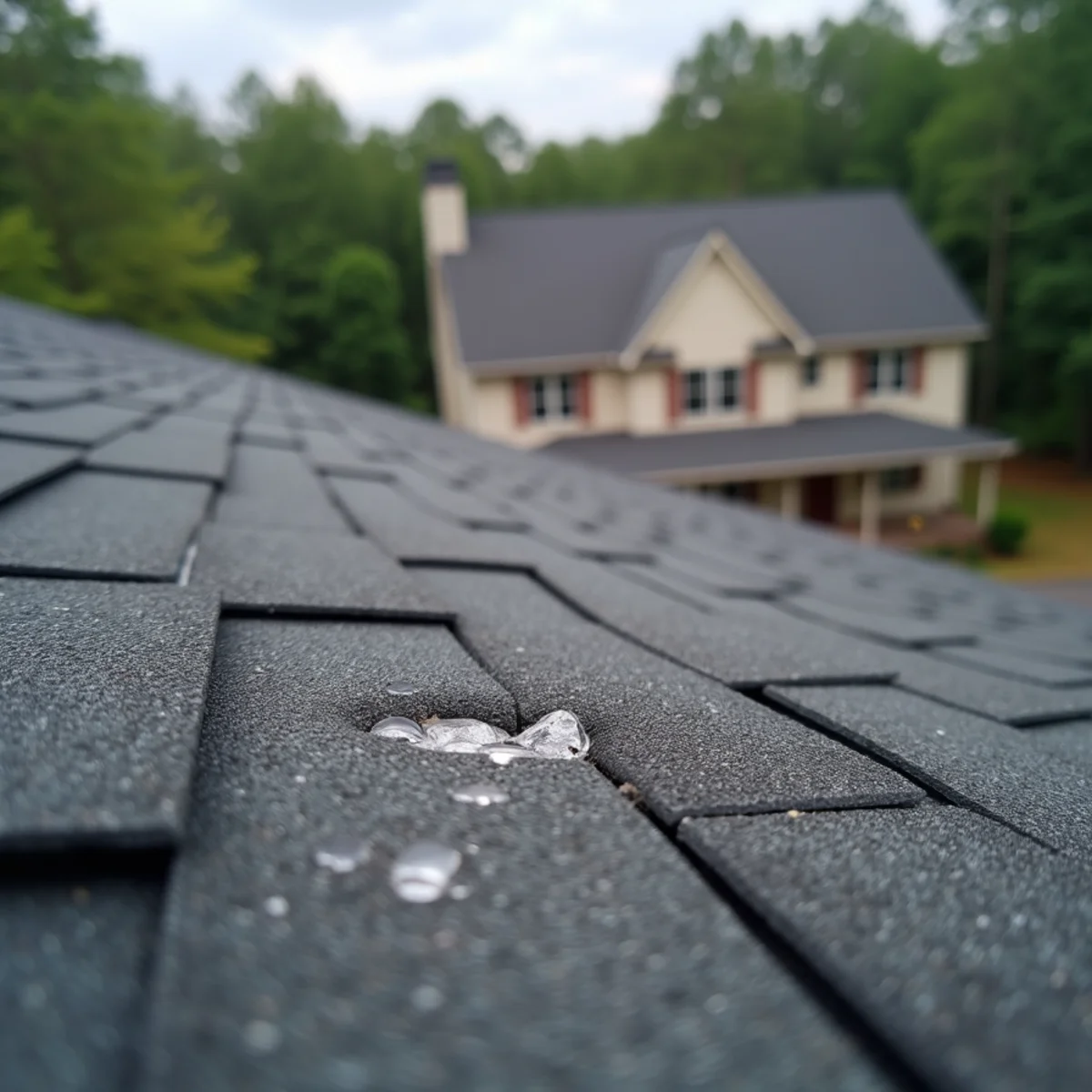
- Shingles that are curling, cupping, or blistering, especially on the sunniest slopes.
- An attic that feels like an oven on a summer afternoon, or shows frost or water droplets on the underside of the decking in winter.
- Dark staining or mildew on the plywood sheathing.
- Rusty nail tips poking through the decking.
- Ice or heavy condensation issues after our freeze-thaw cold snaps.
- Energy bills creeping up as a superheated attic pushes into your living space.
Ventilation is one of the twelve-plus areas our team checks during a free 21-point roof inspection. We measure intake and exhaust, look at the attic, and tell you whether your roof is actually breathing or slowly suffocating.
The North Georgia Factor
Our climate is uniquely hard on roofs in this respect. Long, hot, humid summers pile on the attic heat, while heavy tree canopy near the Etowah River, Lake Allatoona, and Red Top Mountain keeps roofs shaded and damp so moisture lingers. Then winter brings freeze-thaw cycles that punish any decking that has stayed wet. A ventilation setup that might be adequate in a dry climate simply is not enough here. Balanced ridge-and-soffit ventilation is not an upgrade in North Georgia, it is basic roof survival.
Fixing It Right
The good news is that ventilation is very fixable. On many homes we can add or clear soffit intake and install a continuous ridge vent without a full tear-off. When a roof is already at the end of its life, the smart move is to build proper ventilation into a roof replacement from the start, so the new shingles get the airflow they need to reach their full lifespan. Either way, the right approach depends on your specific attic, roof geometry, and existing insulation, which is why we assess before we recommend. Cost varies with factors like roof size, the number of vents needed, and whether soffits need to be opened up, so we quote after we look.
If your shingles are aging faster than they should or your attic feels like a furnace, do not let it quietly shorten your roof's life. Eagles Roofing and Reconstruction is a local family business based in Cartersville, serving homeowners throughout Cartersville and Bartow County and the greater North Georgia area. Call (855) 705-1940 to schedule your free inspection and find out whether your roof is breathing the way it should.
Balanced Intake and Exhaust: The Math Most Roofs Get Wrong
Balanced ventilation is a math problem most roofs fail. The standard target is roughly one square foot of net free vent area per 300 square feet of attic floor, split evenly between intake at the soffits and exhaust at the ridge. The most common mistake we see in North Georgia is exhaust without matching intake, or mixing exhaust types. When a ridge vent and powered or box vents share the same attic, the ridge vent can pull air from the nearest exhaust instead of the soffits, short-circuiting the system and leaving the attic as hot as ever. Blocked soffits behind fresh insulation cause the same stall.
In Georgia heat, an under-ventilated attic bakes shingles from below, driving surface temperatures far higher and causing the blistering, curling, and premature granule loss that ages a roof years early. This matters for your wallet: most asphalt shingle manufacturers require adequate, balanced ventilation as a condition of the warranty, so a short-circuited system can void coverage on a claim. Ventilation is not only a summer concern either. In winter, warm moist household air rises into a cold attic and condenses on the decking, feeding mold and rot. A balanced intake-to-exhaust path carries that moisture out year-round. Call (855) 705-1940 for a ventilation check.
Key Takeaways
- Aim for balanced ventilation: about 1 sq ft of net free area per 300 sq ft of attic, split evenly intake and exhaust.
- Never mix exhaust types on one attic; a ridge vent can short-circuit by pulling air from nearby box or powered vents.
- Insulation stuffed over the soffits blocks intake and stalls the whole system.
- Most shingle warranties require adequate ventilation, so a poor setup can void coverage in Georgia's heat.
- Ventilation also vents winter moisture, preventing condensation, mold, and decking rot.
Frequently Asked Questions
How much longer will good ventilation make my roof last?
There is no single number, but proper airflow helps shingles reach their rated lifespan instead of failing early. Under-ventilated roofs in North Georgia's heat and humidity often blister and curl years ahead of schedule, so balanced ventilation can be the difference between a roof lasting its full term or half of it.
Can I add a ridge vent without replacing the whole roof?
Often yes. On many homes we can cut in a continuous ridge vent and open up or add soffit intake without a full tear-off. We confirm what your specific roof needs during a free inspection.
Do I need attic fans if I have ridge and soffit vents?
A balanced ridge-and-soffit system vents passively and continuously without power. Powered fans can even work against a passive system if intake is limited. We evaluate your attic and recommend only what actually improves airflow.
Have a Roofing Question of Your Own?
Eagles Roofing and Reconstruction offers free, no-obligation roof inspections across Cartersville and North Georgia. Get honest answers from a local roofer.