Ask most homeowners what makes a roof wear out, and they'll say the weather: sun, rain, hail, and wind. All true. But there's a second force aging your roof that has nothing to do with the sky and everything to do with what's happening a few feet below the shingles. In the attic.
Here in North Georgia, where summer heat is relentless and humidity hangs in the air from spring through fall, a poorly insulated and poorly ventilated attic can cook a roof from the inside out. At Eagles Roofing and Reconstruction, we've pulled up plenty of shingles in Cartersville and across Bartow County that failed a decade early, and the culprit was almost never the shingle itself. It was the attic underneath it.
Why a Roof Ages From the Inside
Shingles are designed to shed heat and moisture from above. But they can only do their job if the deck beneath them stays reasonably cool and dry. When an attic traps heat and moisture, two things go wrong.
Heat: The Silent Shingle Killer
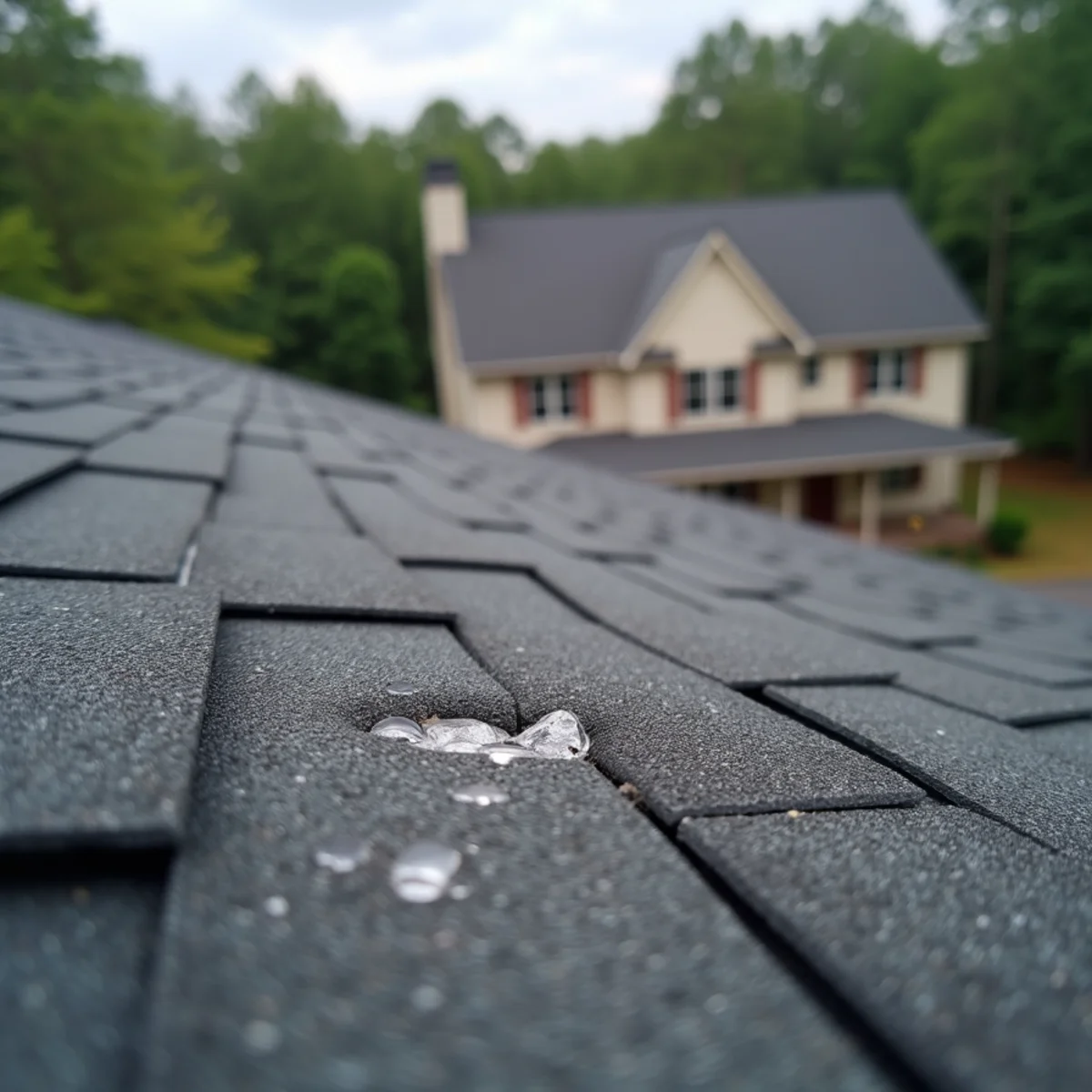
On a hot Georgia afternoon, a poorly ventilated attic can climb well past 140 degrees. That heat has nowhere to go, so it radiates back up into the roof deck and bakes the underside of your shingles. Asphalt shingles are only rated to handle so much thermal stress. Cook them from both sides, sun above and superheated attic below, and the asphalt dries out, the granules loosen, and the shingles begin to curl, crack, and blister years before they should.
Moisture: The Damage That Rots the Deck
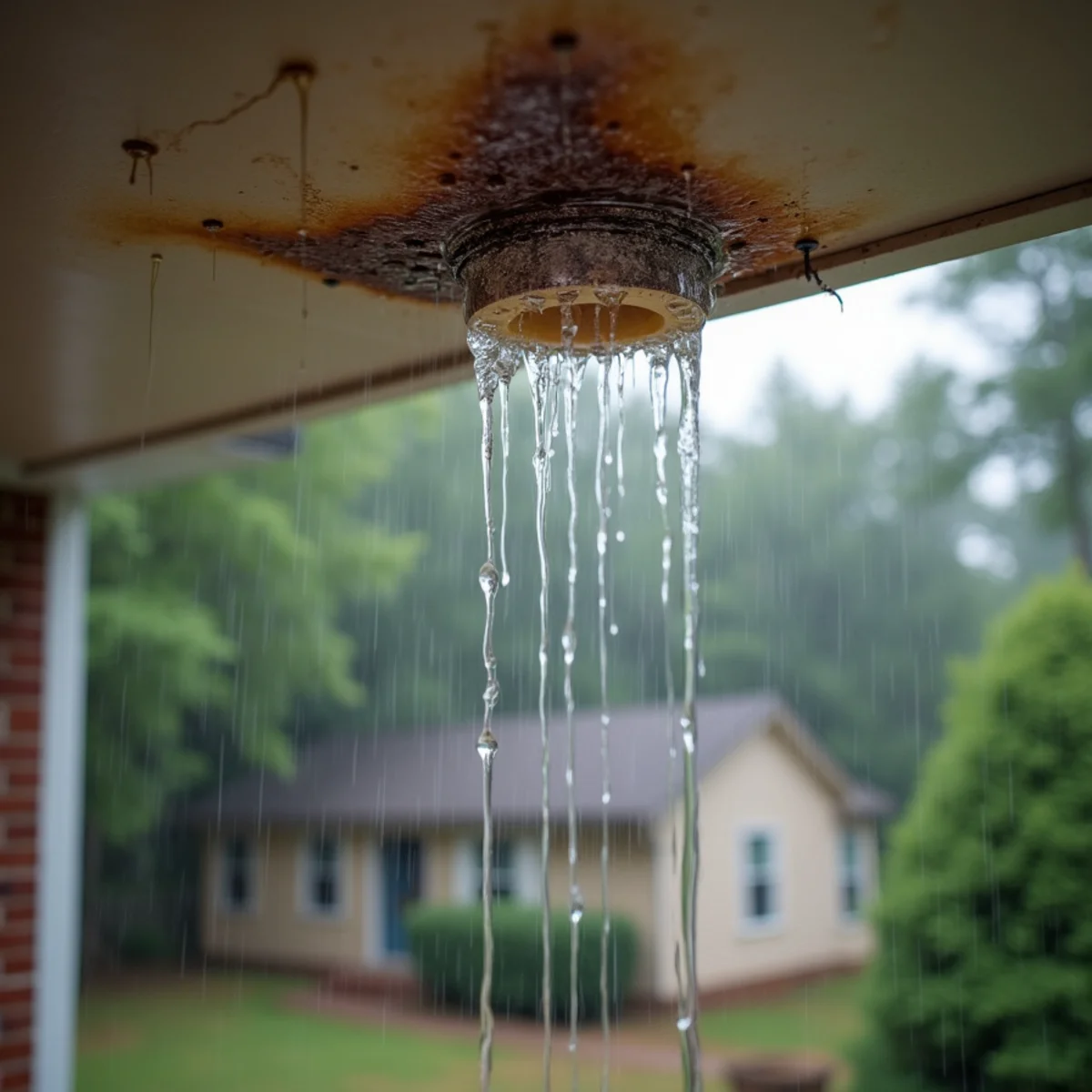
Attics also collect moisture, from daily living, from bathroom and kitchen exhaust, and from our humid climate. Without airflow to carry it out, that moist air condenses on the cold underside of the roof deck in cooler months. Over time, that condensation soaks the wood, feeds mold, and rots the decking, the very surface your shingles are nailed to. A rotted deck can't hold fasteners, and no shingle lasts on a deck that's falling apart.
How Insulation and Baffles Work Together
The fix is a balanced system, and it comes down to two things working in tandem: insulation to control heat transfer, and ventilation to move air continuously through the attic.
Insulation Keeps Conditioned Air Where It Belongs
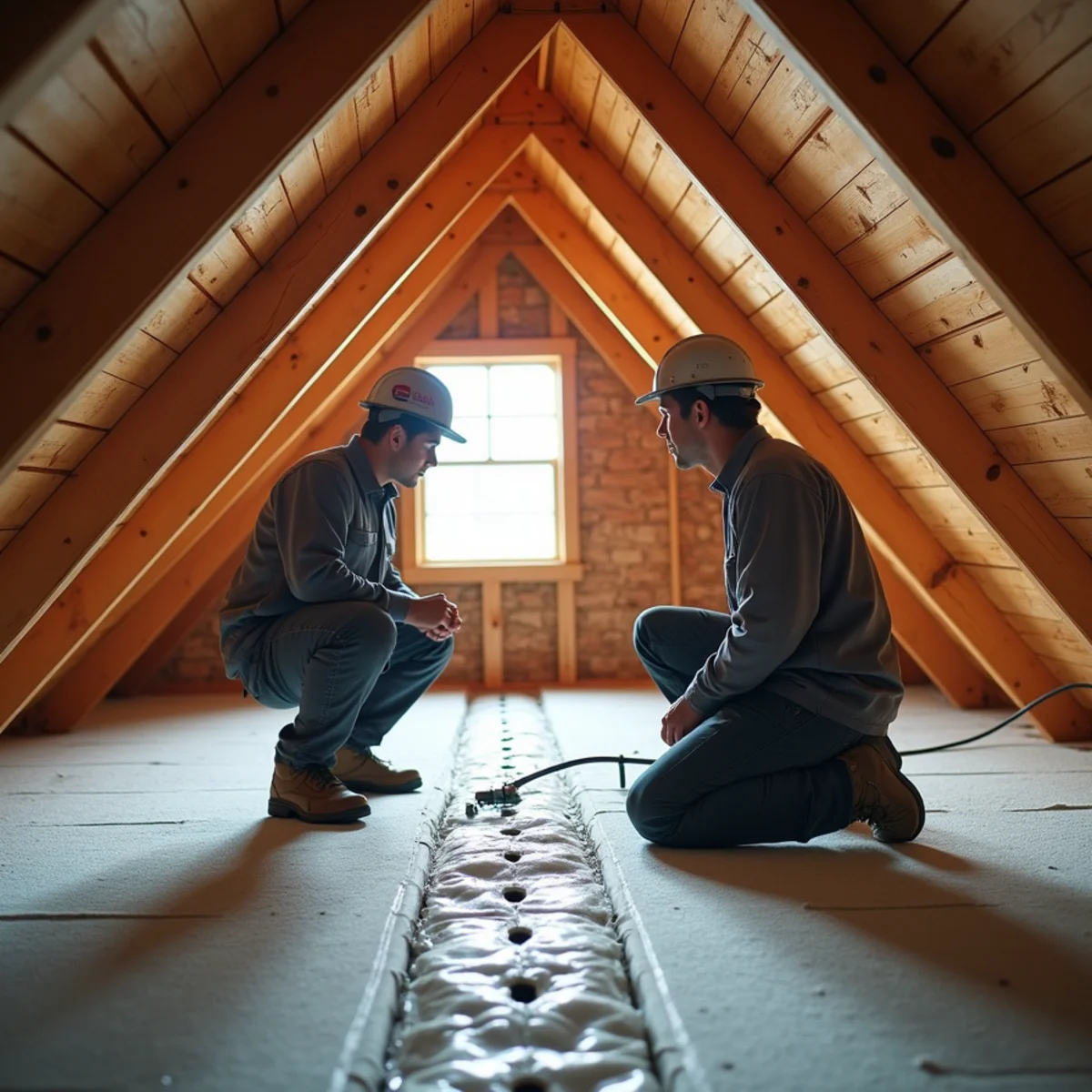
Proper attic insulation slows the movement of heat between your living space and the attic. In summer, it keeps attic heat from pouring down into your rooms. In winter, it keeps your heated air from rising into the attic, where it would otherwise warm the deck unevenly and cause condensation. Good insulation also flattens out the temperature swings that stress a roof deck day after day.
Baffles Keep the Air Actually Moving
Here's the part homeowners rarely hear about: baffles, sometimes called insulation stops or vent chutes. These are channels installed between the rafters at the eaves. Their job is to keep insulation from blocking the soffit vents, so air can flow freely from the soffits, up along the underside of the roof deck, and out through the ridge vent at the peak.
Without baffles, insulation gets pushed into the eaves, seals off the intake vents, and the whole ventilation system stops working. Air stops moving, heat and moisture build up, and the roof starts aging early. Baffles keep that intake path open, which is why a properly ventilated attic needs both balanced insulation and clear airflow channels, not one or the other.
The Signs Your Attic Is Aging Your Roof
- Upstairs rooms that are much hotter than the rest of the house in summer.
- Ice or frost on the underside of the roof deck in winter, or water stains on the deck.
- Shingles that are curling, cracking, or blistering well before their expected lifespan.
- Unusually high cooling bills, a sign heat is pouring in from the attic.
- A musty smell or visible mold in the attic.
Any of these means the attic deserves a look. The tricky part is that attic problems and roof problems are tangled together, so it takes someone who understands both to sort out what's really going on. Our free 21-point roof inspection includes checking attic ventilation, insulation coverage, and signs of moisture on the deck, not just the shingles up top.
When It's Time for a Fresh Start
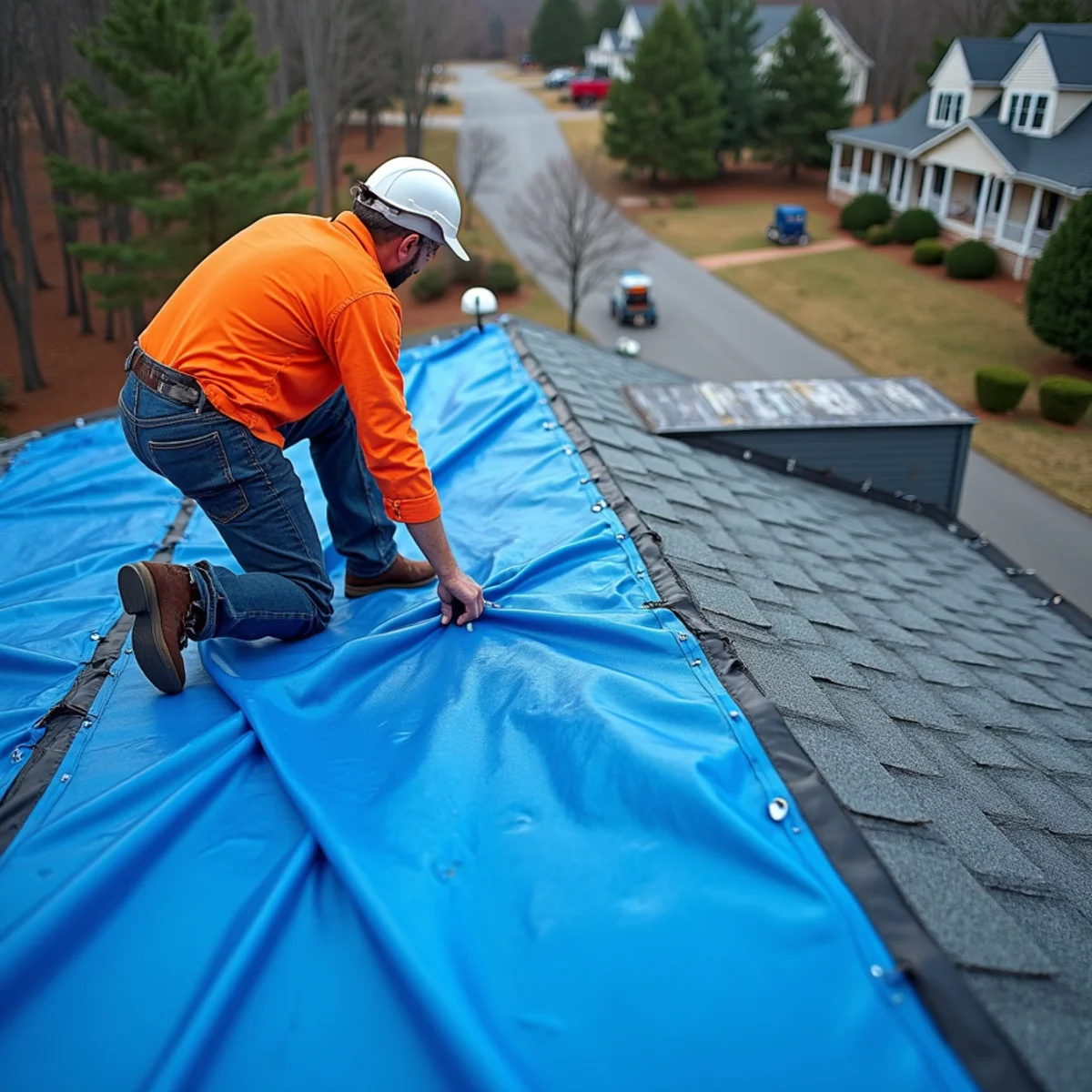
If your roof has already been cooked from below, sometimes targeted roof repair is enough to buy more time. But when the decking has rotted and the shingles are failing across the board, a full roof replacement is the smarter investment. And a replacement is the perfect moment to correct the underlying problem: we can rebuild the ventilation system, install proper baffles, and set the attic up so your new roof reaches its full lifespan instead of failing early like the last one.
Get an Honest Look Before the Next Summer
We're a local family business rooted in Cartersville, and we understand how North Georgia's heat and humidity work on a roof from the inside. We'd rather help you protect the roof you have than sell you one you don't need yet.
If your upstairs is baking, your energy bills are climbing, or your shingles look older than they should, let us check the whole system, deck, attic, and all. Call Eagles Roofing and Reconstruction at (855) 705-1940 to schedule your free 21-point roof inspection, and find out whether your attic is quietly shortening the life of your roof.
R-Value Targets and Why Insulation Without Baffles Bakes Your Roof
North Georgia sits in climate zones 3 and 4, where the Department of Energy recommends roughly R-38 to R-49 of attic insulation, or about 13 to 18 inches of blown fiberglass. Hitting that number is only half the job, though. Insulation slows heat moving between the attic and your living space, but it does nothing to remove the heat that builds under the deck. If you pile insulation straight to the eaves without air chutes, you choke the intake at the soffit, and the attic turns into an oven that can top 140 degrees on a July afternoon. That trapped heat cooks the shingles from below and accelerates the same granule breakdown the sun causes from above.
Baffles, also called rafter vents or chutes, are the inexpensive channels that keep a clear air path from the soffit vents up to the ridge. Paired with balanced intake and exhaust, they let hot air rise out continuously so the deck runs cooler and drier. That matters in winter too: on the rare cold snap, a hot attic melts snow that refreezes at the cold eave, and the resulting ice dam drives water back under the shingles. A properly vented, well-insulated assembly also trims the summer cooling bill because your HVAC stops fighting a superheated ceiling. We check insulation depth and baffle continuity on every inspection; call (855) 705-1940 to book yours.
Key Takeaways
- For North Georgia, target roughly R-38 to R-49 (about 13-18 inches of blown insulation).
- Insulation alone traps heat; baffles keep a clear soffit-to-ridge air path that lets the deck breathe.
- An overstuffed, unvented attic can exceed 140 degrees and bakes shingles from below.
- Balanced ventilation reduces ice-dam risk in cold snaps and keeps moisture from condensing on the deck.
- A cooler attic eases the HVAC load, so the right assembly shows up on your energy bill.
Frequently Asked Questions
Can poor attic ventilation really shorten my roof's life?
Yes, significantly. A poorly ventilated attic can exceed 140 degrees in Georgia summers, baking shingles from below while the sun bakes them from above. That double heat load, plus trapped moisture that rots the deck, can cause a roof to fail years before its rated lifespan.
What are roof baffles and why do they matter?
Baffles are channels installed between the rafters at the eaves that keep insulation from blocking the soffit vents. They preserve the airflow path from the soffits up to the ridge vent. Without them, insulation seals the intake and ventilation stops working, aging the roof early.
Should I fix ventilation during a roof replacement?
Absolutely. A replacement is the ideal time to correct ventilation, add proper baffles, and balance insulation, so the new roof reaches its full lifespan. Call (855) 705-1940 for a free inspection and we'll assess the whole system, not just the shingles.
Have a Roofing Question of Your Own?
Eagles Roofing and Reconstruction offers free, no-obligation roof inspections across Cartersville and North Georgia. Get honest answers from a local roofer.