

Ask any experienced roofer where roofs really leak, and the answer is almost always the same: the flashing. The transitions where the roof meets a chimney, a skylight, a wall, or a vent are the hardest-working, most failure-prone spots on the entire roof. When flashing corrodes, lifts, or was installed poorly to begin with, water finds its way in.
Eagles Roofing specializes in the flashing details that separate a dry roof from a leaky one. We re-flash chimneys with proper step and counter flashing, re-seal and re-flash skylights, and correct the penetrations that other contractors just smeared with caulk. Caulk is not flashing — and we do it right.
Flashing & Skylight Leak Warning Signs
- Water stains on the ceiling near a chimney or skylight
- Rusted, lifted, or missing metal flashing
- Cracked, dried-out caulk or tar smeared over flashing joints
- Daylight or drafts visible around a skylight frame
- Damp brick or a white chalky residue on the chimney
- Recurring leaks that keep coming back after 'repairs'
Why Chimney Flashing Fails
A chimney interrupts the roof, so water has to be channeled around all four sides of it. That's done with step flashing woven into the shingles and counter flashing set into the brick's mortar joints. When someone skips the counter flashing and relies on caulk, or when the metal simply corrodes with age, water gets behind it and runs down inside the wall — often showing up as a stain far from the chimney.
We strip the failed flashing and rebuild the system properly: new step flashing tied into the courses, counter flashing set into the masonry, and a watertight seal at the base and cricket. Done right, chimney flashing lasts as long as the roof.
Skylights: Seal It or Replace It
Skylights leak for two reasons: failed flashing around the frame, or a failed seal in the unit itself. We diagnose which it is. Often the fix is re-flashing the skylight correctly and re-sealing the perimeter. If the skylight's own seals have failed and it's fogging or leaking through the glass, replacement is the better long-term answer.
Either way, we treat the skylight like the roof penetration it is — with proper flashing, underlayment, and detailing — not a quick bead of sealant that lasts one season. If you're re-roofing, it's the ideal time to address aging skylights while the roof is open.
Step and Counter Flashing Done Right, and When to Re-flash vs. Replace a Skylight
Caulk is not flashing. A watertight chimney relies on two layers working together: step flashing, individual L-shaped metal pieces woven one per shingle course up each side so every piece laps the one below and sheds water onto the shingle, and counter flashing, metal let into a cut reglet in the masonry mortar joint and folded down over the step flashing. That overlap, not sealant, is what keeps water out for decades. When we see a chimney 'sealed' with a bead of tar or roofing cement, we treat it as a failure waiting to happen and rebuild it properly, including new base and saddle or cricket flashing on the high side of wide chimneys so water is split around them rather than ponding.
Skylights follow the same logic and the same decision point. A leak at a skylight is usually a flashing problem, not a glass problem, so if the unit is sound and reasonably young we re-flash it with a proper head, sill, and step-flashing kit and new underlayment, which is far cheaper than replacement. But if the skylight is old, the seals are fogged, the frame is deteriorated, or it is a builder-grade acrylic bubble, replacing it during a reroof is the honest call because re-flashing a failing unit only buys a little time. We will tell you which situation you are in. Call (855) 705-1940.
Why Choose Eagles Roofing for Flashing & Skylights
- Proper step and counter flashing — never caulk-as-flashing
- Chimney, skylight, wall, and vent penetrations all handled
- We diagnose flashing vs. unit failure on skylights
- Repairs that stop recurring, hard-to-find leaks for good
- Ideal to address during a re-roof while the roof is open
What Affects the Cost
We never quote a real roof from a phone call. Instead, here are the honest factors that shape your price — all assessed during your free inspection so you get a firm, written number with no surprises.
Flashing scope
Re-sealing is inexpensive; full re-flashing with new step and counter flashing is more involved.
Chimney size & masonry
Larger chimneys and cutting counter flashing into brick add labor.
Skylight condition
Re-flashing a sound skylight costs less than replacing a failed unit.
Underlying damage
Water that reached decking or framing around the penetration adds to the repair.
Common Flashing & Skylights Mistakes We Fix
A lot of our work is correcting shortcuts other crews took. Here are the mistakes we see most on flashing & skylights jobs around Cartersville — and how we do it right instead.
Sealing a leaking skylight with a bead of caulk
Caulk smeared across the skylight-to-roof joint is a six-month fix that cracks, shrinks, and re-leaks by the next season. We pull the surrounding shingles and install the unit's proper flashing kit with membrane underneath, so the skylight sheds water by design rather than relying on a sealant bead to hold.
No cricket behind a wide chimney
A chimney wider than about two feet dams rain and debris against its up-slope side until the joint finally gives and water pours in. We build a cricket, a small peaked saddle behind the masonry, that splits the flow around both sides so nothing ever pools at the back of the chimney.
Reusing old flashing on a replacement skylight
Swapping out a failed skylight but keeping the corroded twenty-year-old flashing guarantees a fresh leak around a brand-new unit. We replace the flashing kit along with the skylight and re-integrate the underlayment, so the entire assembly is new and watertight instead of half new and half worn out.
Need Flashing & Skylights in the Cartersville Area?
Call Eagles Roofing and Reconstruction for a free, no-obligation inspection and a firm written estimate. Fast response across Bartow County and North Georgia.
Flashing & Skylights Across Cartersville & North Georgia
Eagles Roofing and Reconstruction delivers flashing & skylights from our Cartersville hub to homeowners and businesses throughout Bartow County and the greater Atlanta metro. Wherever you are, you get the same free 21-point inspection, written scope, and workmanship guarantee — with fast response for storm and leak emergencies.
See every community we cover on our roofing service areas page.
Related Reading
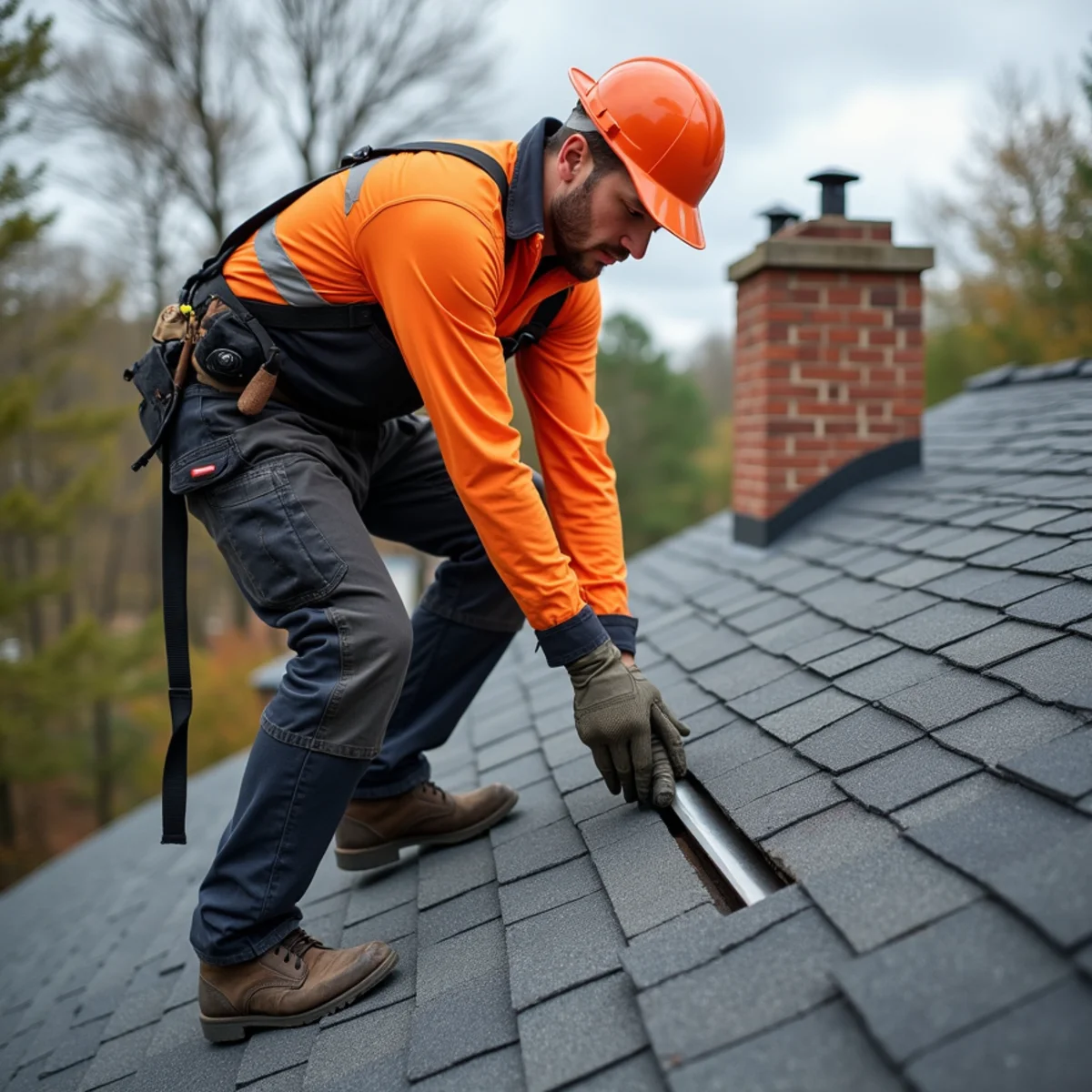
Why Chimney and Valley Flashing Are the #1 Causes of Unexplained Roof Leaks
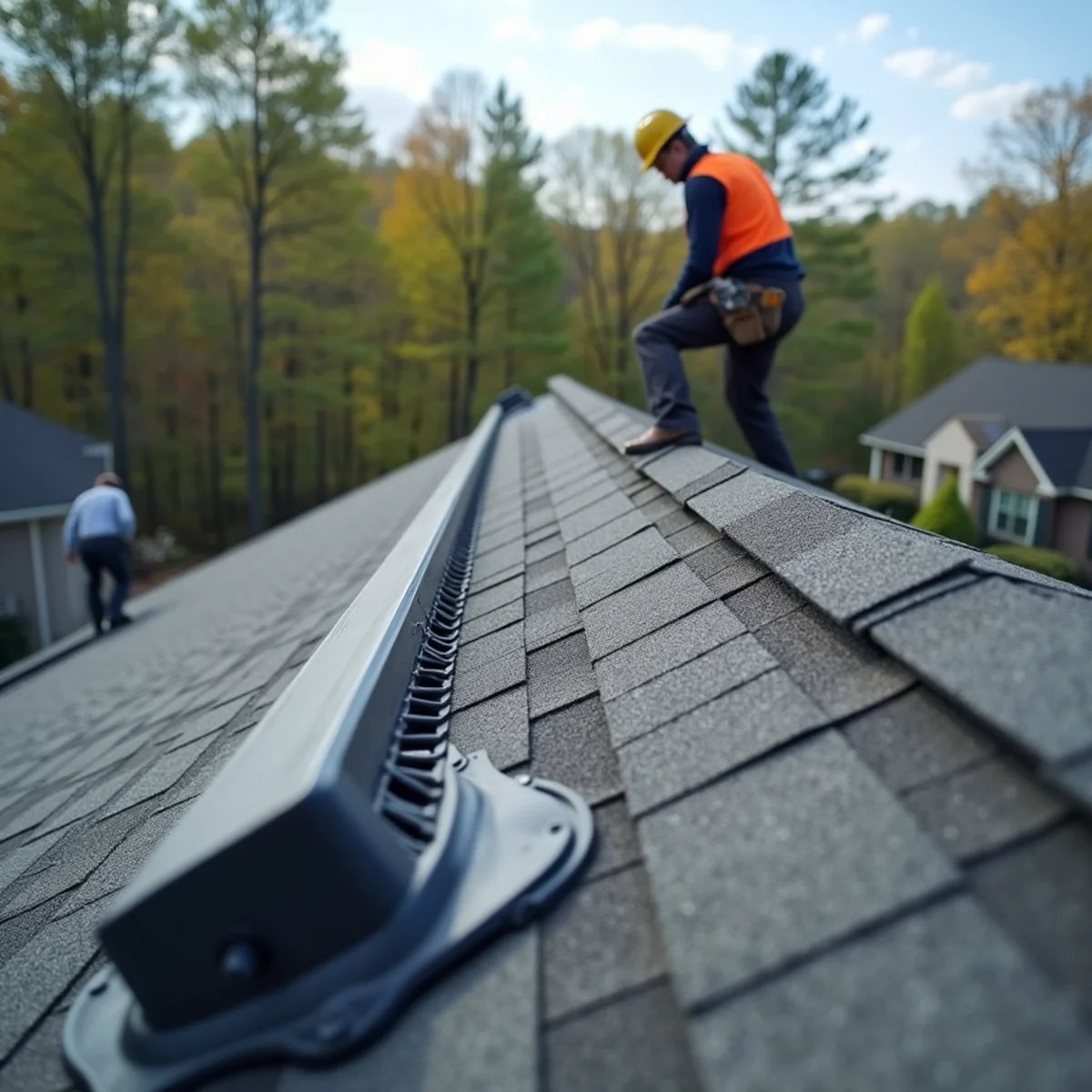
Proper Attic Ventilation: How Ridge Vents and Soffits Prevent Blistering Shingles
The Eagles Roofing Standard for Flashing & Skylights
Chimneys and skylights are where most roofs leak, because they interrupt the clean path water wants to travel. Caulk, missing crickets, and recycled flashing all buy a season and then fail in our heat and heavy rain. We flash these penetrations the way the roof flashes itself, with proper metal, membrane, and water-shedding geometry that lasts as long as the shingles around it. If a chimney or skylight is leaking, call (855) 705-1940 for a free 21-point inspection.
Flashing & Skylights FAQs
Why does my chimney keep leaking after it's been 'fixed'?
Because it was probably sealed with caulk instead of re-flashed. Caulk cracks and fails in a season or two. A lasting fix requires proper step flashing woven into the shingles and counter flashing set into the chimney's mortar joints. That's how we do it, and it's why our repairs hold.
Can you fix a leaking skylight, or does it need replacing?
It depends on the cause. If the flashing or perimeter seal failed, we can often re-flash and re-seal it. If the skylight's own glass seals have failed — fogging between panes, leaking through the unit — replacement is the better long-term fix. We'll diagnose which it is.
Is flashing really where most roofs leak?
Yes. The field of a roof sheds water easily; it's the transitions and penetrations — chimneys, skylights, walls, vents, valleys — that concentrate water and fail. That's why we pay so much attention to flashing details on every repair and replacement.
My roofer just wants to caulk my chimney flashing. Is that a real fix?
It is a temporary patch, not a repair. Sealant shrinks, cracks, and fails in our heat and freeze-thaw cycles, and it hides the fact that the step and counter flashing underneath is doing no work. A lasting fix uses woven step flashing with counter flashing set into the mortar joint, so the metal sheds water on its own. If your chimney only has caulk holding back water, have it re-flashed properly; call (855) 705-1940.
Can you re-flash my chimney during a roof replacement?
Absolutely — and it's the ideal time. While the roof is open we install new step and counter flashing woven into the shingles and set into the masonry, so the most leak-prone spot on your roof is rebuilt correctly instead of reused. Ask about it when you call (855) 705-1940.